Massive Fuel Smuggling Operation Costs Libya Billions
A devastating report has exposed how state-sanctioned fuel smuggling operations cost the Libyan people approximately $20 billion (£15 billion) in lost revenue between 2022 and 2024. The comprehensive investigation by policy body The Sentry reveals that this systematic pillaging of Libya's primary revenue source has reached alarming proportions, demanding immediate international sanctions against those responsible.
Foreign-Backed Corruption at Highest Levels
The report states that politicians and security leaders who claim to serve the public and fight organised crime have, in fact, acted as the chief architects of Libya's fuel-smuggling industry, often with backing from foreign states. Even more disturbingly, some of this smuggled fuel has found its way into Sudan, where it has directly contributed to prolonging that country's devastating civil war.
The Sentry is calling for a Western-backed investigation into Libyan oil officials known to be at the heart of this illegal enterprise. They're also demanding international assistance to ensure Libya's own investigative bodies properly identify those who have stolen funds from the Libyan people.

How the Smuggling Operation Worked
While fuel smuggling has been a long-standing problem in Libya, the report claims the sums involved rose dramatically after 2022. This surge coincided with a change in leadership at Libya's National Oil Corporation (NOC), one of the few state bodies that spans the east-west divisions that have effectively created two governments since the fall of Muammar Gaddafi in 2011.
The NOC introduced a system where plentiful Libyan crude oil was swapped for imported refined fuel. Instead of being consumed in the Libyan market at subsidised prices, this fuel was resold abroad at vast profits. By late 2024, the NOC's fuel imports had surged from about 20.4 million litres per day in early 2021 to a peak of more than 41 million litres per day.
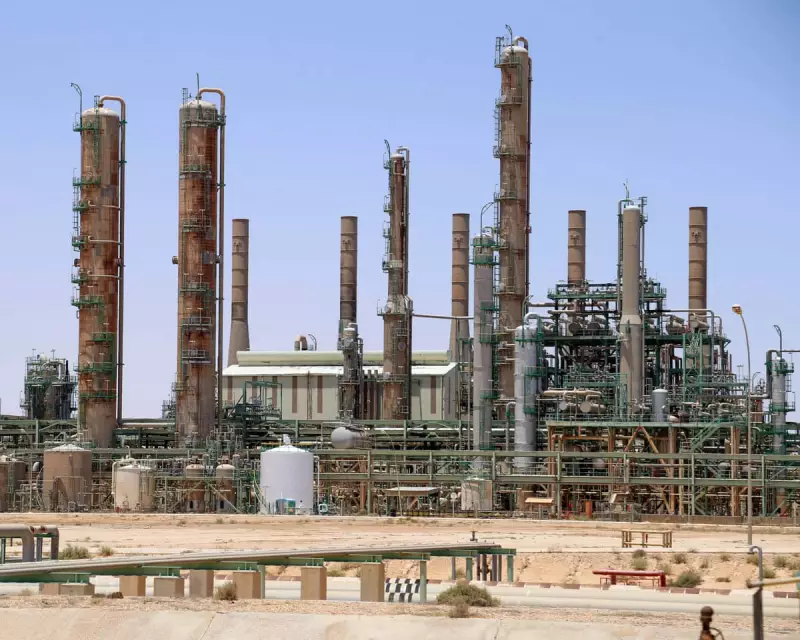
No genuine surge in domestic demand for refined petrol could justify such a massive increase. The Sentry claims more than half the imported refined petrol has been sold on by criminal networks for private profit, despite Libya having little domestic oil refining capacity.
Devastating Impact on Libyan People
The scale of this theft is staggering. The Sentry calculates that more than $6.7 billion worth of fuel was smuggled out of the country in 2024 alone. This amount would have been sufficient for Libya to more than triple its spending on healthcare and education combined.
The report states: Given its sheer scale, fuel smuggling can no longer be portrayed merely as a byproduct of weak governance. In 2021, Libya's top rulers effectively embraced it as part of a broader, systematic strategy to siphon massive wealth from the population.
The smuggling network involves kleptocrats and organised crime networks working alongside corrupt officials who wield influence over state bureaucracy, logistical hubs, distribution points, routes, and border crossings. Destinations for the smuggled fuel include:
- Sudan
- Chad and Niger
- Tunisia
- Albania, Malta and Italy
- Turkey
Transportation methods vary from vessels and tanker trucks to smaller vehicles and even rogue pipelines, depending on the geographical context.
Domestic Consequences and International Fallout
This illegal fuel exportation causes domestic shortages within Libya, forcing citizens to pay much higher prices at unofficial outlets, especially in peripheral areas. The smuggling not only deprived the Central Bank of Libya of crucial dollar revenues but also undermined the integrity of the NOC, whose hydrocarbon exports account for virtually all of Libya's income.
The vast increase in fuel imports occurred during the NOC chairmanship of Farhat Bengdara, who left his position in January 2025 after 30 months in charge. The NOC has stated it abandoned the swap system in March 2025, and the quality of fuel imported from January to September fell by 8% compared with the previous year. However, experts say Libya is still importing far more fuel than it could possibly need.

Bengdara told The Sentry that under his tenure, the NOC remained transparent and proactive in its cooperation with national institutions and international organisations. He said he had submitted reforms to the Council of Ministers and the Supreme Council for Energy Affairs to reduce reliance on subsidised diesel in electricity generation.
These proposals included increasing natural gas production, promoting gas and renewable energy for electricity generation, and initiating the gradual removal of fuel subsidies. However, the damage to Libya's economy and the prolonging of conflict in Sudan represent a catastrophic failure of governance that demands urgent international attention.