How One Teenager's Tragic Death Could Reshape Social Media Legislation
When it comes to uncovering the circumstances surrounding their children's deaths, bereaved parents frequently encounter significant obstacles in accessing crucial social media data. This pressing issue has sparked a national conversation about digital rights and parental access in the wake of tragedy.
The Campaign for Jools' Law
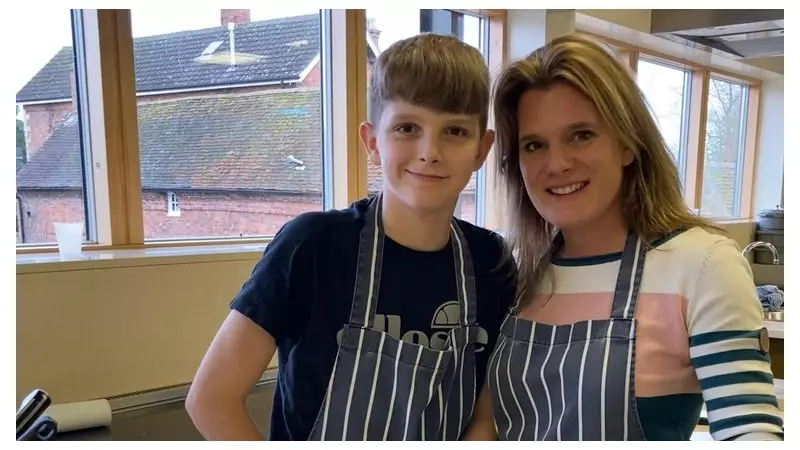
Ellen Roome began her determined campaign for legislative change following the devastating loss of her 14-year-old son, Jools Sweeney. "When Jools took his own life, we assumed we'd turn up at the inquest and be told why and what happened," Ms Roome previously explained to Sky News. "I know how he took his life because I found him. I don't understand why."
Despite thorough investigations into every aspect of Jools' life, his social media accounts remained inaccessible. When Ellen requested his browsing data from TikTok to understand what content he had been consuming, the platform revealed the information had already been deleted under existing data protection regulations. Police requests had arrived too late, highlighting a critical gap in current procedures.

What Jools' Law Would Change
The proposed legislation, scheduled for debate in the House of Lords, would introduce several crucial reforms:
- Automatic preservation of a child's digital data within five days of their death
- Standardised investigative procedures that mandate examination of digital evidence
- Requirements for social media companies to protect and store children's data to assist investigations
"When Jools died, I was crawling up the stairs on my hands and knees. Literally. You're not in a fit state to go, 'I must preserve that data'," Ms Roome emphasised during a summer interview, underscoring why the current system fails grieving families.
Varied Experiences of Bereaved Parents
Different families have encountered dramatically different outcomes when seeking digital evidence. Lisa Kenevan discovered through police investigation that her 13-year-old son Isaac had apparently been participating in TikTok's dangerous "Blackout" challenge, with videos suggesting social media content may have contributed to his death.
Conversely, Liam Walsh remains without answers about his daughter's passing. "I've often thought to myself, 'If she'd just fallen over and hit her head, you just knew what it was that had happened'. We don't know what's happened," he recently told Sky News, expressing the anguish of uncertainty that many parents experience.
Legal Action Against Social Media Platforms
Ms Roome, Ms Kenevan, Mr Walsh, and two other bereaved parents - Hollie Dance and Louise Gibson - have initiated legal proceedings against TikTok in United States courts. Their collective lawsuit represents a determined effort to uncover why their children died and to hold platforms accountable.
Jools' Law aims to prevent other parents from needing to undertake such drastic measures following a child's death. Rather than placing the burden on grieving families to secure digital evidence, the legislation would make data preservation an automatic component of official procedures.
Social Media Company Responses
In response to the lawsuit, TikTok stated: "Our deepest sympathies remain with these families. We strictly prohibit content that promotes or encourages dangerous behaviour." The company highlighted its "robust detection systems and dedicated enforcement teams" that proactively identify and remove rule-breaking content, claiming 99% removal before user reporting.
The debate surrounding Jools' Law represents a pivotal moment in balancing data protection with parental rights and investigative needs. As technology continues to shape young people's lives, this legislation could establish crucial safeguards for future tragedies.
Anyone feeling emotionally distressed or suicidal can call Samaritans for help on 116 123 or email jo@samaritans.org in the UK. In the United States, call the Samaritans branch in your area or 1 (800) 273-TALK.