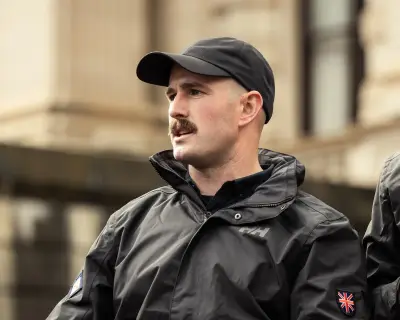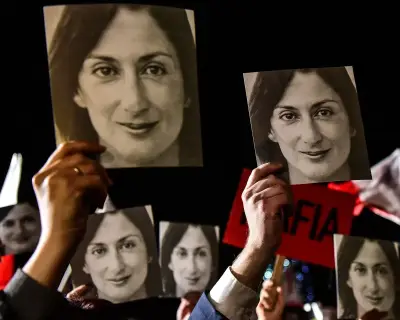
Former professional footballer Joey Barton has been found guilty of sending offensive messages on social media, with a jury ruling he crossed the boundary from free speech into criminal behaviour.
The Court's Verdict
A jury at Liverpool Crown Court convicted the 43-year-old on six counts of sending a grossly offensive electronic communication with intent to cause distress or anxiety. The court heard how Barton's activity on X, formerly known as Twitter, between January and March 2024 had targeted individuals with harmful content.
In a significant outcome, the former Manchester City and Newcastle United midfielder was cleared of six other similar charges relating to the same period. The mixed verdict followed careful consideration of whether Barton's posts constituted criminal behaviour rather than merely offensive opinions.

Crossing the Line
The jury determined that Barton had "crossed the line between free speech and a crime" with six specific posts. This distinction highlights the legal boundaries that govern online communication in the UK, even for high-profile figures.
Electronic communications with intent to cause distress or anxiety are taken seriously under British law, with the prosecution successfully arguing that Barton's actions met the threshold for criminal behaviour rather than protected free speech.
Legal Consequences and Context
This conviction serves as a landmark case regarding social media use and legal responsibility. The verdict demonstrates that offensive electronic communication can carry real legal consequences, regardless of the sender's celebrity status.
The case has drawn significant attention to the ongoing debate about where to draw the line between expressing controversial opinions and committing criminal offences through digital platforms.
As social media continues to evolve, this ruling sets an important precedent for how UK courts may handle similar cases in the future, particularly involving public figures and their online conduct.