A damning new report has laid bare the extent of cronyism within the British political system, revealing that appointing allies to public roles is a deeply entrenched and systemic issue. The findings, released by a leading governance watchdog, highlight a pervasive 'jobs for mates' culture that undermines public trust and accountability.
A System Rife with Patronage
The investigation, which scrutinised hundreds of public appointments over the past decade, found that merit-based selection is frequently bypassed in favour of political loyalty and personal connections. The practice is described as being 'rife' across multiple levels of government, from Whitehall departments to regional quangos and advisory boards.
Analysts warn that this culture erodes the quality of governance, as positions are filled based on allegiance rather than expertise. It also creates a closed network that is resistant to external scrutiny and fresh perspectives, potentially stifling effective policy-making and innovation in the public sector.

Global Context: Victoria's Landmark Ban and Trump's Ultimatum
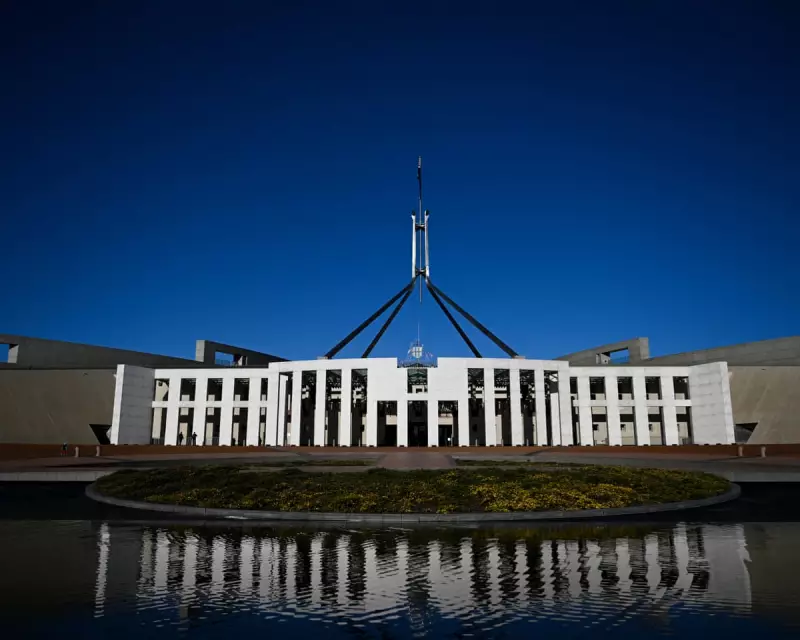
This revelation about the UK's political culture comes alongside significant developments on the world stage. In the Australian state of Victoria, lawmakers have passed historic legislation to protect intersex children. The new law, enacted on December 2nd, 2025, bans irreversible medical surgeries performed on intersex infants and children without their personal consent.
This pioneering move is hailed by human rights advocates as a crucial step towards bodily autonomy, preventing medically unnecessary procedures that can cause lifelong physical and psychological harm. The ban positions Victoria as a global leader in intersex rights.
Simultaneously, international diplomacy faces a new challenge. Former US President Donald Trump, who regained the presidency in the 2024 election, has issued a stark ultimatum to the Venezuelan government. The details of the demand remain closely guarded, but it is reported to involve significant political and economic concessions, raising concerns about a potential escalation in tensions and its impact on global oil markets and regional stability in South America.
Implications and the Path Forward
The confluence of these stories paints a picture of a world grappling with fundamental issues of governance, ethics, and power. The UK's 'jobs for mates' scandal exposes a critical weakness in democratic integrity, suggesting that without robust, transparent appointment systems, public institutions cannot function optimally or command respect.
In contrast, Victoria's legislative action demonstrates a progressive commitment to human rights and individual consent, setting a benchmark for other jurisdictions to follow. Meanwhile, the volatile nature of international relations is underscored by the aggressive diplomatic stance emanating from Washington.
For the UK, the path forward requires urgent reform. Experts are calling for:
- Strengthened oversight by independent appointment commissions.
- Transparent criteria for all public roles, with audits of selection processes.
- Stricter penalties for ministers and officials who circumvent fair appointment rules.
Addressing this ingrained culture of patronage is essential to restoring public confidence and ensuring that the individuals tasked with shaping national policy are chosen for their ability, not their affiliations.