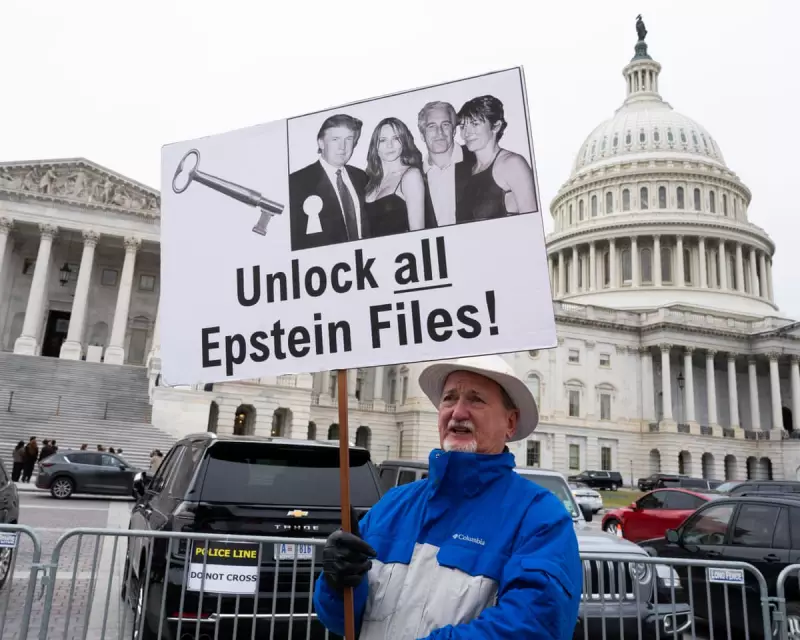
In a landmark decision that could expose powerful connections, the US House of Representatives has overwhelmingly voted to release documents related to the Jeffrey Epstein case. The historic vote took place on 18 October 2025, with 427 representatives voting in favour and only one against the release of the files.
The Great Unravelling: Elite Panic Over Epstein Links
As the Senate also moved to release Epstein-related documents, a frantic scramble has emerged among America's political and media elites to distance themselves from the convicted sex offender. The phenomenon has been dubbed the 'Epstein shuffle' - where prominent figures acknowledge knowing Epstein while desperately claiming they didn't truly know him or understand the extent of his crimes.
The major complication for those attempting to claim ignorance is Epstein's 2008 conviction and prison sentence for soliciting an underage girl for sex. Despite this legal finding, numerous high-profile individuals continued associating with him for years afterward.

Notable Figures Facing Scrutiny
Recent email releases have triggered fresh waves of denials and justifications from prominent names:
- Deepak Chopra, the spiritual guru, was revealed to have maintained frequent email contact with Epstein after his conviction, seeking advice on various matters. Chopra issued a vague statement suggesting he would cooperate with authorities while hoping "all of the truth comes out."
- Katie Couric attended a dinner at Epstein's New York residence in 2010 - two years after his conviction - claiming she "didn't know anything about Jeffrey Epstein at the time" and should have "done more research."
- George Stephanopoulos was present at the same 2010 dinner, which also included Prince Andrew, and similarly admitted he "should have done more due diligence."
The situation has become so toxic that simply having received an invitation to Epstein's events now requires strenuous public denial. Publicist Peggy Siegal found herself at the centre of controversy after email exchanges showed her offering to help Epstein with public relations, though she later claimed she was just trying to "get people off the phone."
Vanity and Access: The Epstein Appeal
According to observers, Epstein expertly exploited the vanity of New York and Washington's elite circles - particularly media figures and public intellectuals who crave proximity to power and wealth. The attraction of well-curated dinner parties with important, famous or wealthy guests often outweighed other considerations, even after Epstein's criminal conviction became public knowledge.
As one commentator noted, the current chorus of "we didn't know!" from certain quarters has grown so loud it recalls "Germany in 1946" - a comparison highlighting the collective denial now unfolding among Epstein's former associates.
The impending document release promises to keep the pressure on those who maintained relationships with Epstein, potentially revealing further details about the extent of his social and professional networks long after his crimes were established in court.