The Albanese government's controversial hate speech legislation has come under fire for what critics describe as a fundamental threat to Australia's democratic principles and community cohesion. The laws, intended to combat hate in society, are now being scrutinised for their potential to undermine the very freedoms they purport to protect.
Vague Legislation and Executive Overreach
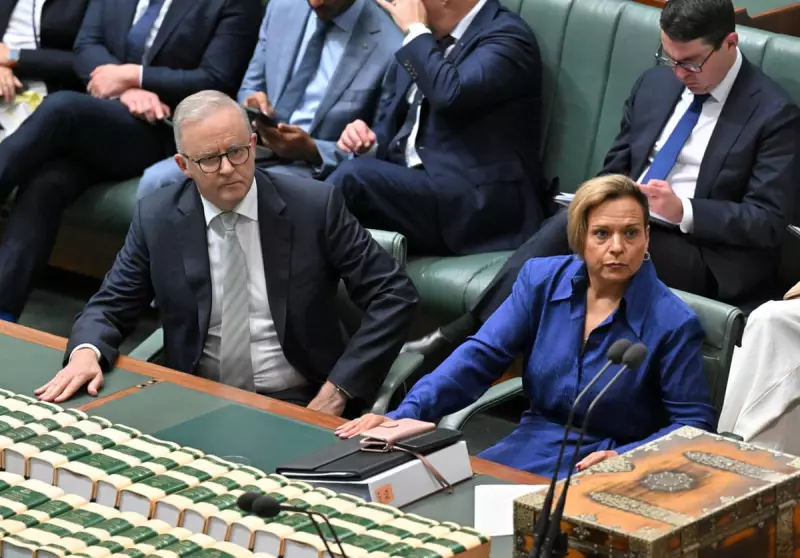
At the heart of the controversy is the legislation's lack of clarity and its significant expansion of executive power. Attorney General Michelle Rowland faced intense questioning during parliamentary debates, where she struggled to clearly define what conduct the laws would actually capture. This ambiguity has raised serious concerns about the rule of law and whether ordinary Australians can understand what behaviour might be considered criminal.
Erosion of Democratic Safeguards
The legislation grants unprecedented authority to the Home Affairs Minister, ASIO, and the Australian Federal Police to designate which groups qualify as hate organisations under the new framework. This concentration of power in executive agencies has drawn comparisons to concerning developments in other democracies and represents what civil liberties advocates call a dangerous departure from traditional checks and balances.

Timothy Roberts, President of the NSW Council for Civil Liberties, argues that "we cannot have criminal laws on our books that the community does not understand." He emphasises that such ambiguous expansions of executive authority without proper oversight mechanisms only serve to undermine the rule of law that forms the foundation of Australian democracy.
Rushed Consultation and Broken Trust
The legislative process itself has faced criticism for what many describe as a rushed and inadequate consultation period. Civil society organisations were given merely three days to provide feedback on proposals that would significantly alter Australia's legal landscape regarding freedom of speech, association, and religion.
This truncated consultation period prevented thorough examination of the proposals' implications and represented what critics call a breach of trust between the government and the Australian people. While the government did withdraw some of the most controversial elements relating to speech and religion, it subsequently introduced even more regressive measures concerning political communication and association.
Political Leadership Falling Short
The debate occurs against the backdrop of recent national trauma, including the Bondi terror attack that demonstrated Australians' capacity for courage and solidarity in crisis. Roberts notes that "Australia deserves a government and principled opposition that reflects their courage, capacity and imagination at such difficult times."
Instead, he argues, political leadership at both state and federal levels has fallen short, with the current legislation potentially exacerbating community divisions rather than healing them. The concern is that without proper safeguards and clear legal boundaries, the laws could actually fuel the very divisions they aim to address.
Broader Implications for Australian Society
The legislation raises fundamental questions about how Australia balances security concerns with democratic freedoms. Critics argue that genuine community peace requires robust protections for political communication, speech, association, and religion – all of which they believe are threatened by the current proposals.
As the debate continues, the fundamental question remains whether these laws will strengthen Australian democracy or inadvertently undermine it through vague definitions and expanded executive powers that lack adequate parliamentary oversight and public understanding.