Explosive Allegations Rock Conservative Leadership
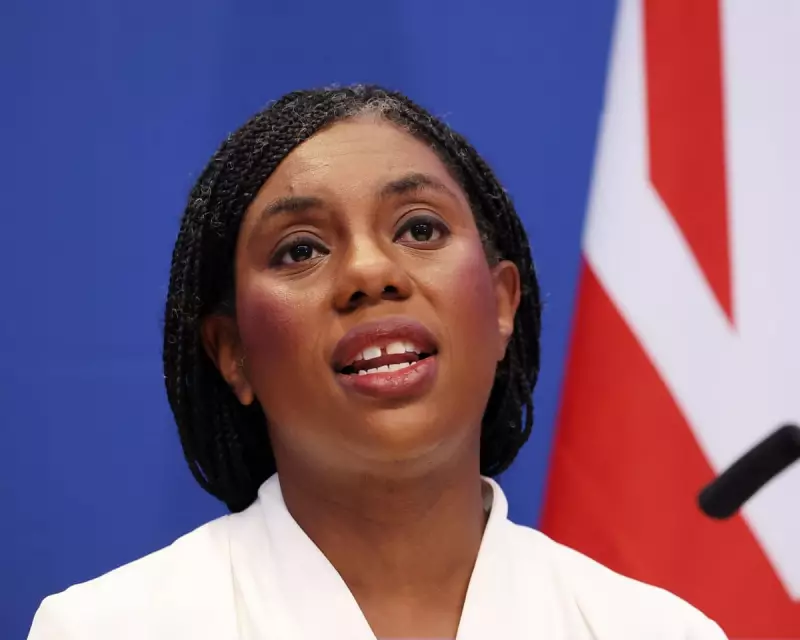
In a dramatic development that threatens to reignite the Greensill lobbying scandal, financier Lex Greensill has made serious allegations against current Conservative leader Kemi Badenoch. Greensill claims Badenoch used her former position as business secretary to protect David Cameron from proper scrutiny.
The allegations come in a formal letter sent to the current Business Secretary, Peter Kyle, dated 28 October. Greensill is fighting potential disqualification from company directorships for up to 15 years and claims the case against him is fundamentally flawed due to political interference.
Political Motives Behind Insolvency Case Restructuring
Greensill alleges that Badenoch oversaw a restructuring of the Insolvency Service's inquiry in 2023 that deliberately excluded examination of David Cameron's involvement. According to Greensill, this move was timed to coincide with Cameron's political rehabilitation.

"I honestly believe on the basis of the facts that Mrs Badenoch and the previous Conservative government interfered in this case for political ends," Greensill wrote in his letter. "Their motive was to deflect from allegations that could implicate Lord Cameron in any suggestion of wrongdoing."
The financier claims the restructuring of the inquiry specifically removed scrutiny of activities closely linked to Cameron, allowing the former prime minister to be elevated to the House of Lords in November 2023 and appointed as Foreign Secretary without being embroiled in ongoing proceedings.
Cameron's Deep Ties to Greensill Operations
The background to these allegations reveals extensive connections between Cameron and Greensill. During Cameron's tenure at Number 10, Greensill enjoyed remarkable access to government, with business cards showing he had an official No 10 email address and worked under the title "senior adviser" in the prime minister's office.
After leaving office, Cameron became an adviser to Greensill in 2018, with his companies paying the former prime minister millions of pounds. When the UK wing of the Greensill group collapsed into administration in March 2021, Cameron faced widespread criticism for using his political contacts to lobby on the company's behalf.
During the COVID-19 pandemic, Cameron personally contacted then-Chancellor Rishi Sunak via WhatsApp messages and sent text messages to former top Treasury civil servant Sir Tom Scholar. The collapse of Greensill Capital triggered criminal investigations that continue in the UK, Germany and Switzerland, though Cameron's conduct is not thought to be under investigation.
Timing Raises Serious Questions
Greensill points to crucial timing in his allegations. The Insolvency Service served notice of proceedings against him on 15 November 2023, just days after Cameron's formal appointment as Foreign Secretary on 13 November 2023.
According to sources close to Greensill, the Insolvency Service's interest in the Gupta Family Group (GFG) - whose exposure led to Greensill Capital's collapse - was dropped after November 2023. This change effectively excluded Cameron's involvement, as he had served as senior adviser to GSUK, lobbying ministers to authorise Greensill Capital under the coronavirus large business interruption loan scheme.
The Insolvency Service has since admitted data breaches after a press officer spoke to a Times journalist about their inquiries into Greensill shortly after Cameron's appointment.
Ongoing Fallout and Official Responses
Greensill has asked Business Secretary Peter Kyle to re-evaluate the insolvency case against him in light of these allegations of government interference. He maintains that the current case "is based on allegations that have no merit and little or no evidence to support them."
Official responses to the allegations have been limited. Cameron's office has declined to comment, while the Conservative party has been approached for comment. A government spokesperson stated: "As this is an ongoing matter, we would not comment."

The controversy continues to cast a shadow over Westminster, raising fresh questions about the relationship between former ministers, current government officials, and business interests they championed while in office.