Google Maps has confirmed it displays the contentious border between Morocco and Western Sahara differently depending on where users access the service, highlighting how tech companies navigate complex geopolitical disputes.
The Digital Border Discrepancy
Following media reports last week, Google acknowledged that users outside Morocco see Western Sahara labelled as a separate territory with a dotted line indicating its disputed status. However, people accessing Google Maps within Morocco see no such border or label for Western Sahara.
"We have not made changes to Morocco or Western Sahara on Google Maps," a Google spokesperson stated to Agence France-Presse. The company explained this variation follows their longstanding policies for handling disputed regions across their mapping services.

Historical Context of Western Sahara
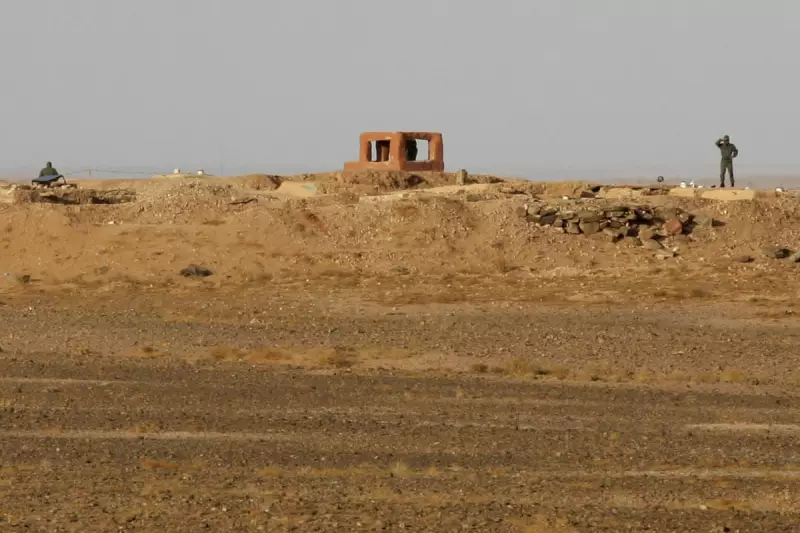
Western Sahara represents a vast, mineral-rich territory that was previously a Spanish colony. The region remains largely controlled by Morocco but has been claimed for decades by the pro-independence Polisario Front, which receives support from neighbouring Algeria.
The United Nations Security Council had previously encouraged Morocco, the Polisario Front, Algeria and Mauritania to resume negotiations aimed at reaching a comprehensive settlement. However, recent developments have shifted the diplomatic landscape.
International Political Developments
At the initiative of the Trump administration, the UN Security Council endorsed a resolution supporting an autonomy plan initially presented by Rabat in 2007. This plan would see Western Sahara enjoying autonomy under Morocco's sole sovereignty, a significant development in the long-standing territorial dispute.
The timing of the Google Maps revelation coincides with these important political developments, though Google maintains the border display variations have existed throughout and aren't connected to recent UN actions.
This situation demonstrates how technology companies increasingly find themselves navigating complex international disputes through their digital platforms, creating what some observers call "digital cartography diplomacy" where map displays can carry significant political implications.