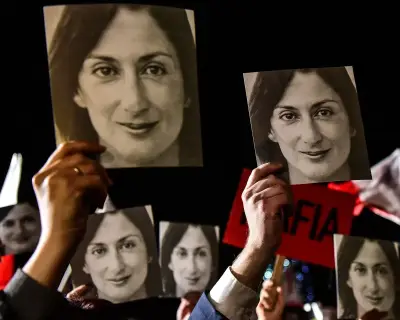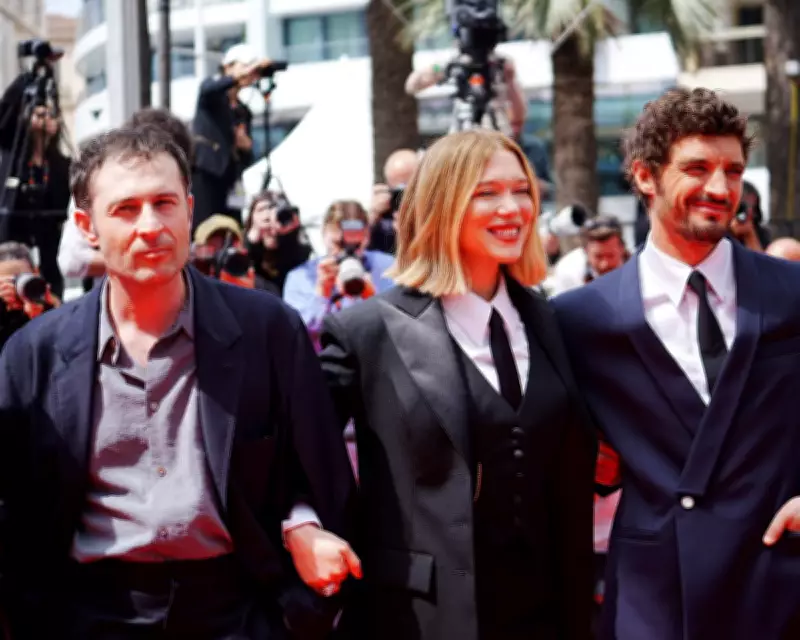
French stars are rightly concerned about the growing influence of conservative billionaire Vincent Bolloré over the country's media and cinema. The shadow of Joseph McCarthy's "red scare" loomed over this year's Cannes film festival, as the French media group Canal+ announced an effective ban on roughly 600 cinema professionals, including actors like Juliette Binoche and directors like Jean-Pascal Zadi and Arthur Harari. Their offense? Signing an open letter denouncing Bolloré's influence on French media and cinema.
The Blacklist and Its Justification
Canal+ CEO Maxime Saada defended the ban, claiming the signatories' allegations were an "injustice" against staff committed to the organization's independence. However, the move has drawn comparisons to the mid-20th-century Hollywood blacklist that targeted suspected communists.
Bolloré's Media Empire
Over the past decade, Bolloré has consolidated control over a significant portion of France's news and entertainment media, including the Fox News-like CNews, Journal du Dimanche, Europe 1 radio, and publisher Fayard. Critics accuse him of shifting editorial lines toward a rightwing ideological project similar to Rupert Murdoch's. Recently, his firing of the CEO of literary publisher Grasset prompted a walkout by over 100 authors from diverse political backgrounds.

Industry Impact
The petition, backed by international celebrities like Javier Bardem and Mark Ruffalo, warns: "By leaving French cinema in the hands of a far-right owner, we risk not only the standardisation of films but a fascist takeover of the collective imagination." Canal+ represents more than 40% of all private funding for French broadcasting, streaming, and cinema, making its influence critical. The ban could have stark consequences for the industry.
Regulatory Challenges
While Canal+ was created with significant public regulatory involvement, including obligations to fund French and European cinema, legislating against this blacklist is perilous. With the French far right closer to power than ever, government intervention could become a source of censorship itself.
A Potential EU Solution
Public funding for journalism and the arts is part of the answer. Reporters Sans Frontières (RSF) highlights the importance of "predictability and sustainability" in public media financing. In 2025, 69% of French people think public media functions well, but confidence drops where far-right parties have been in power.
Endowment Fund Proposal
Alexander Hurst proposes an EU-level "meta-endowment" fund to provide independent, perpetual funding for public service media, journalism, publishing, and cinema across Europe. By front-loading part of the €35bn that EU member states spend annually on public media, such a fund could make inflation-adjusted grants indefinitely, following a 4% spend rule. This would shield media from shifting political will or billionaire agendas.
In the context of defence budgets increasing by €495bn in Europe and Canada from 2024 to 2025, and further in 2026, the cost of such a fund seems manageable. As Hurst notes, "Democracy runs on information; what is the point of spending money to defend the territorial integrity of a democracy, but not its cultural and intellectual integrity?"