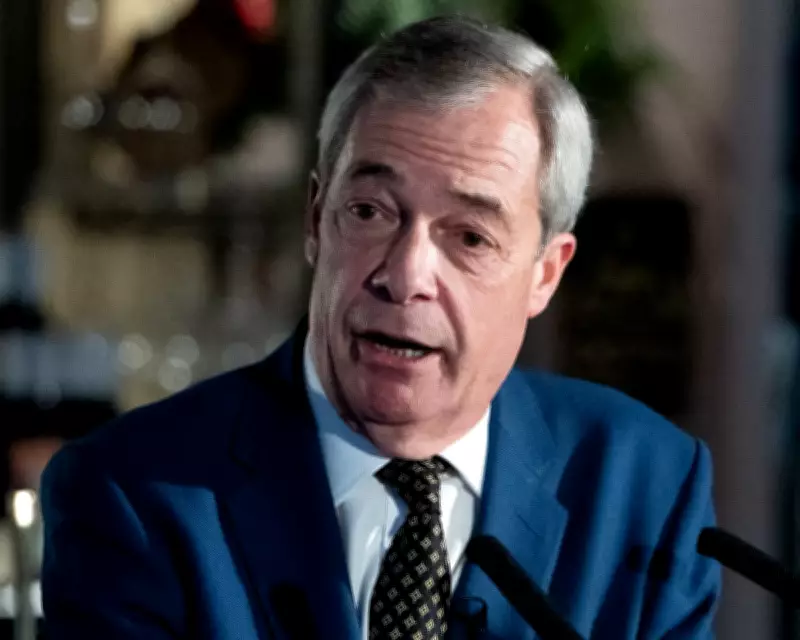
Nigel Farage has been accused of delivering a "non-apology" by a former schoolmate, following a BBC interview where the Reform UK leader expressed regret for any hurt caused by his alleged behaviour during his time at Dulwich College. The controversy stems from a Guardian investigation that documented testimonies from 34 contemporaries who claim to have witnessed or experienced racist and antisemitic conduct from Farage while attending the prestigious private school in south London.
Conditional Regret Sparks Backlash
In his interview with BBC presenter Laura Kuenssberg, Farage appeared to show some remorse for the first time since the allegations surfaced. He stated, "I think there are two people who said they were hurt, and if they genuinely were, then that's a pity, and I'm sorry. But never, ever did I intend to hurt anybody. Never have." This conditional apology was made as part of a documentary exploring the rise of his party, which currently leads in opinion polls.
Accuser's Response
Peter Ettedgui, an Emmy and Bafta-winning film-maker who was among those alleging antisemitic taunts from Farage, including claims that Farage said "Hitler was right," responded strongly to the interview. Ettedgui criticised what he termed a "non-apology," highlighting that it differed from Farage's previous attempts to dismiss the accusations as mere "banter" or to discredit the accusers as liars.

Ettedgui emphasised the gravity of the situation, noting, "Thirty-four people have given our first-hand accounts of Nigel Farage's abusive behaviour at Dulwich college, including students who either suffered or witnessed it, as well as teachers. Every single one of us vividly recalls Farage's racist, xenophobic and antisemitic bullying, as well as his vocal admiration for fascist leaders from Hitler to Mosley."
Historical Context and Denials
Farage has consistently denied any racist or antisemitic conduct, initially threatening legal action against the Guardian over the reports. He later suggested that his behaviour might have been viewed as "banter" in the 1970s but could be interpreted differently today. In the Kuenssberg interview, he maintained that his actions were not unusual for the era, stating, "I tell you what, if teenage boys together at an all boys school haven't said things to each other, haven't been brutal in some ways in the late 1970s I'd be very, very surprised."
He also cited support from "two Jewish students in my A-level set" as evidence of his innocence, arguing that there was never any intent to wound or hurt anyone.
Political Implications
Ettedgui raised "urgent questions" about Farage's suitability for leadership, given his aspirations to become prime minister. He questioned, "Why has he continually denied the repugnant behaviour so many of his schoolmates recall, rather than acknowledging and apologising sincerely for it?" Additionally, he pondered whether Farage's current political agenda has been influenced by the racist views he allegedly expressed during his school years.
The ongoing dispute highlights broader issues of accountability and historical behaviour in political figures, with the Reform UK leader facing mounting pressure to address these allegations more comprehensively as his party gains traction in the polls.