The political landscape was rocked this week as Nathan Gill, the former leader of Reform UK in Wales, was sentenced to prison for accepting bribes to deliver pro-Russia speeches in the European Parliament. The case reads like a plot from a political thriller, exposing a concrete example of a pro-Russian agent successfully infiltrating the heart of British Brexit-friendly parties.
A Modern-Day Political Spy Story
The court found that Gill, who served as a Member of the European Parliament for Ukip and the Brexit party, was paid to spread propaganda supporting Moscow and opposing Ukraine. This case moves beyond the well-documented Russian interference through online bots and cyber disinformation, presenting a stark case of a paid political asset.
While Soviet efforts in the 1960s often targeted Labour and far-left politicians, the modern focus has shifted. The investigation revealed that nationalist, anti-EU, and anti-migrant parties in Europe, including Ukip, the Brexit party, and briefly Reform UK, have become obvious targets for Vladimir Putin's Russia due to a shared hostility towards the European bloc.

Farage's 'Bad Apple' and a Sympathetic Environment
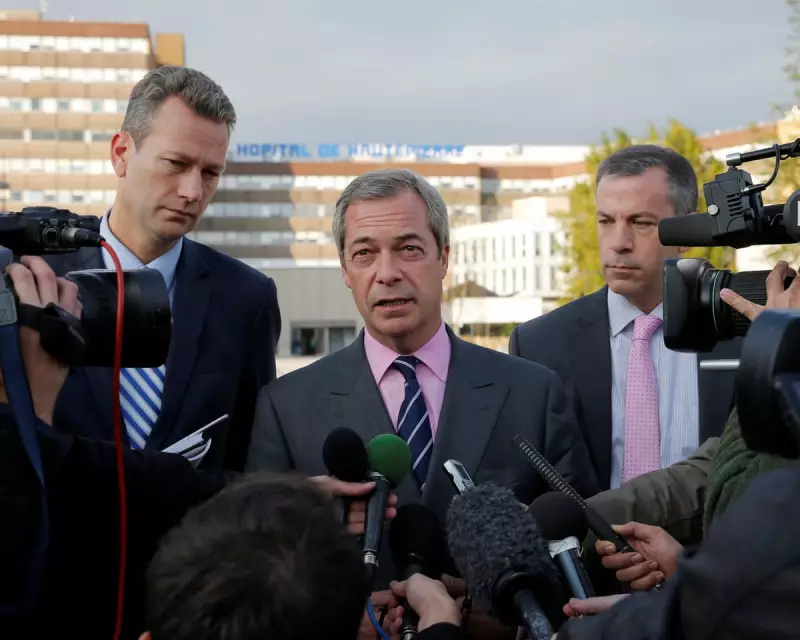
Nigel Farage, who led all three parties and was a longstanding associate of Gill, publicly denounced his former colleague. Farage claimed Gill was a 'bad apple' who betrayed his party and country.
However, the court case highlighted that while Gill was the only MEP proven to have taken payments, some of his colleagues were making similar pro-Moscow arguments about the war in Ukraine without any financial incentive. This points to a broader environment of sympathy.
Farage's own publicly expressed views have come under intense scrutiny. He has not been part of the investigation, but his past statements are now facing fresh examination. He has previously expressed admiration for Putin as a political operator and, as recently as the last election, repeated his long-held view that the West provoked the war in Ukraine by 'poking the Russian bear'.
Political Fallout and Labour's Challenge
Reform UK, now leading in the polls, appears to recognise the political danger of being perceived as soft on Russia. The party issued a strong statement, calling Gill's actions 'reprehensible, treasonous and unforgivable'.
Despite this, Farage's personal stance is likely to be tested further, particularly whether he still believes NATO expansion justified Putin's invasion. The Labour party has seized the opportunity, calling on Farage to root out pro-Russia views within his party and disavow what they term 'Putin talking points'.
With UK public opinion firmly pro-Ukraine, it would be politically expedient for Reform to take this advice. However, Farage is not known for abandoning long-held positions, setting the stage for a significant political battle where his views on Russia will be central.