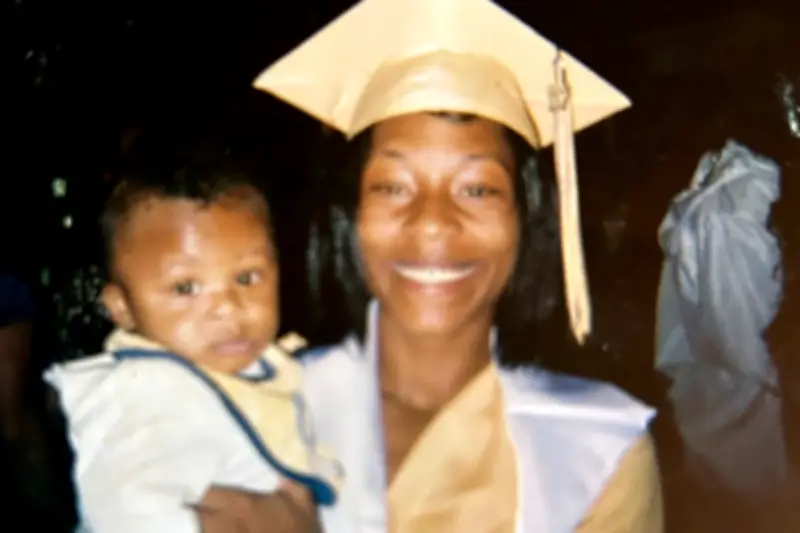
Sean Grayson, the former Illinois sheriff's deputy convicted of killing Sonya Massey, will remain in prison after state officials denied his request for early medical release on Friday. The three-member Illinois prisoner review board voted unanimously to reject Grayson's application, which cited his advanced colon cancer as grounds for release.
Board's decision and rationale
The board's decision comes after Grayson, who is white, was sentenced in January to 20 years—the maximum possible—for the second-degree murder of Massey, a 36-year-old Black woman. Grayson had been diagnosed with colon cancer before the 2024 shooting, and his attorney noted in January that the cancer had spread to his liver and lungs.
In a statement, board spokesperson Liz Mitchell confirmed the unanimous vote. The decision follows a review of Grayson's application, which he filed in May, just six months into his sentence, according to a copy published by Capitol News Illinois.
Background of the case
The killing occurred in Springfield, Illinois, in July 2024, after Massey called 911 to report a possible prowler. Body-camera footage showed Grayson and another deputy entering Massey's home. Minutes later, Grayson shot Massey in the face as she moved a pot of hot water from the stove and said, "I rebuke you in the name of Jesus."
The case sparked protests over systemic racism and prompted a review by the U.S. Justice Department. Grayson's conviction was seen as a rare accountability measure in police-involved shootings.
Arguments for and against release
Grayson's release application argued that Massey had "attacked me with a pot of boiling water," a claim contradicted by body-camera footage. At his January sentencing, Grayson apologized for Massey's death. His attorney, Daniel Fultz, declined to comment on the board's decision.
Opposing the release, Sangamon County State's Attorney John Milhiser wrote in a letter to the board that Grayson's medical condition was already considered at sentencing. "To release Grayson under these circumstances would be a miscarriage of justice," Milhiser wrote, "and an insult to Sonya Massey's memory and family."
Family and officials react
Attorneys Ben Crump and Antonio Romanucci, representing Massey's family, praised the board's decision. "The board recognized what this family has said from the start," they said in a statement. "No one is above accountability, and a badge does not provide an early way out."
Illinois Governor JB Pritzker, a Democrat, said in a statement that state law requires the board to consider medical release requests but called Massey's killing "a profound loss." "Sonya was innocent, unarmed, and calling law enforcement for help," Pritzker said. "It was a painful reminder that too many innocent Black Americans have faced this kind of violence—and they deserve justice."
Impact and precedent
The denial sets a precedent for how Illinois handles medical release requests for former law enforcement officers convicted of violent crimes. It also underscores the ongoing national debate over police accountability and racial justice. Grayson's case remains a focal point for advocates pushing for systemic reforms.