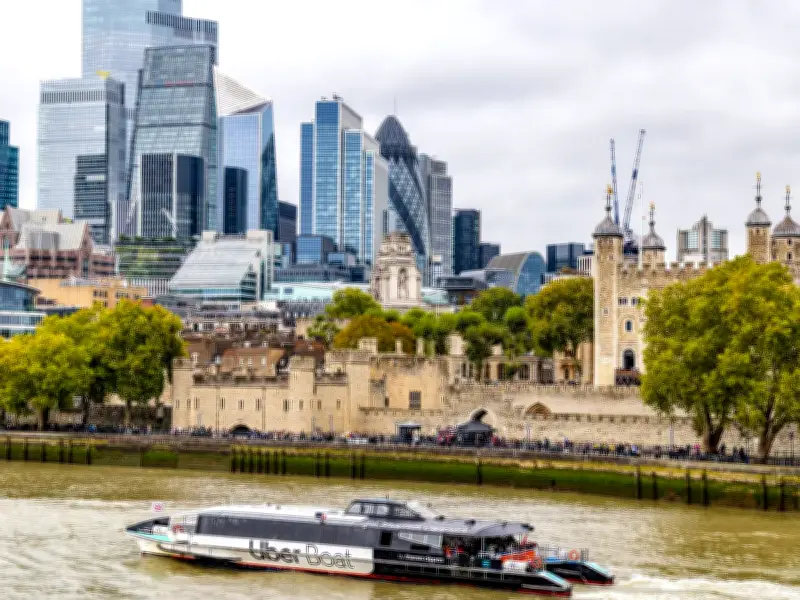
The City of London Corporation’s draft local plan, City Plan 2040, can proceed after the Government accepted that its proposed tall building contours will not significantly harm the Tower of London. Independent Planning Inspectors concluded the plan adequately protects the heritage of the UNESCO World Heritage Site, and Housing Minister Matthew Pennycook said he is “reassured” the plan balances heritage protection with economic growth.
Government lifts hold on City Plan 2040
The plan had been halted by the Government after UNESCO warned the Tower of London could be placed on its List of World Heritage in Danger. An additional hearing was held on September 2, following a direction from Housing Minister Matthew Pennycook, who instructed Inspectors Alastair Phillips and Jameson Bridgwater to consider alternative contours proposed by Historic England. These alternative contours were designed to provide more space between the Tower and the City Cluster of tall buildings.
In a letter dated September 23, the Inspectors stated they were not persuaded that Historic England’s proposal “would result in a materially different heritage outcome from that achieved by the City Plan contours”. Mr Pennycook backed the findings, telling the Corporation he is “reassured” the plan protects the Tower “whilst not unduly restricting economic growth”.
Economic and heritage balance assessed
The Inspectors concluded that adopting Historic England’s contours would reduce development capacity, potentially affecting the deliverability and financial viability of projects. They found that the heritage benefits of the alternative contours “would be limited and localised”, while the risks to economic and office development “are more clearly evidenced and more substantial than the additional heritage benefits”.
Deputy Chris Hayward, Policy Chair and de facto political leader at the Corporation, called the outcome “an outstanding result for the City, for London and for the wider UK economy”. Deputy Tom Sleigh, Chair of the Planning and Transportation Committee, said: “This was never a choice between the Tower of London and jobs. The City was here first. William the Conqueror started his tower in 1078 in the corner of a city already a thousand years old, and the two have grown side by side ever since.”
Stakeholder responses and next steps
Historic Royal Palaces, which manages the Tower, noted the decision and said it “will continue to work with partners to strengthen understanding of the Tower's setting, improve approaches to assessing cumulative impact and explore how future development can be accommodated while protecting the Tower's Outstanding Universal Value”. A Historic England spokesperson said they “acknowledge” the decision and “remain committed to working constructively with all partners to achieve an appropriate balance between supporting economic growth and protecting London's internationally significant historic environment”.
A Ministry of Housing, Communities and Local Government spokesperson said: “Our World Heritage Sites are an irreplaceable part of this country’s history which is why we asked Inspectors to consider proposals for tall buildings in the City Plan. Following further scrutiny undertaken by Inspectors we’re reassured the proposed City Plan does everything it can to adequately protect the Tower of London against unsuitable development without restricting economic growth.”
The Inspectors will now publish their final report, expected in the coming weeks. The plan will then move through the Corporation’s internal committees, with the hope it can be adopted before the end of the year.