In a landmark judgement with significant implications for LGBTQ+ rights across the continent, the European Union's highest court has declared that member states must respect same-sex marriages conducted in other EU countries. The ruling delivers a direct rebuke to Poland for its refusal to recognise the marriage of a Polish same-sex couple who wed in Germany.
A Landmark Case for Family Rights
The European Court of Justice (ECJ) stated on Tuesday that Poland was wrong to deny legal recognition to the marriage of the two men, identified only by their initials, after they returned to their home country. The couple had legally married in Berlin in 2018, but Polish authorities refused to transcribe their German marriage certificate into the national civil registry.
The court found that this refusal infringed upon the couple's EU freedom of movement and their fundamental right to respect for private and family life. "When they create a family life in a host member state, in particular by virtue of marriage, they must have the certainty to be able to pursue that family life upon returning to their member state of origin," the ECJ stated.

Clarifying the Limits of National Law
Critically, the court clarified that its ruling does not compel member states like Poland, where same-sex marriage remains illegal, to change their national laws to permit such unions. However, it firmly establishes that countries cannot discriminate against same-sex couples in how they recognise foreign marriages.
This distinction is crucial. It means that while Poland is not required to perform same-sex marriages, it must acknowledge those that are legally performed in other EU nations, ensuring that the rights conferred by those marriages travel with the couple.
Political Resistance in Poland
The ruling arrives amidst a complex political landscape in Poland. The current pro-European government, led by Prime Minister Donald Tusk, has been working on legislation to regulate civil partnerships for same-sex couples. However, this initiative has faced resistance from his conservative coalition partner.
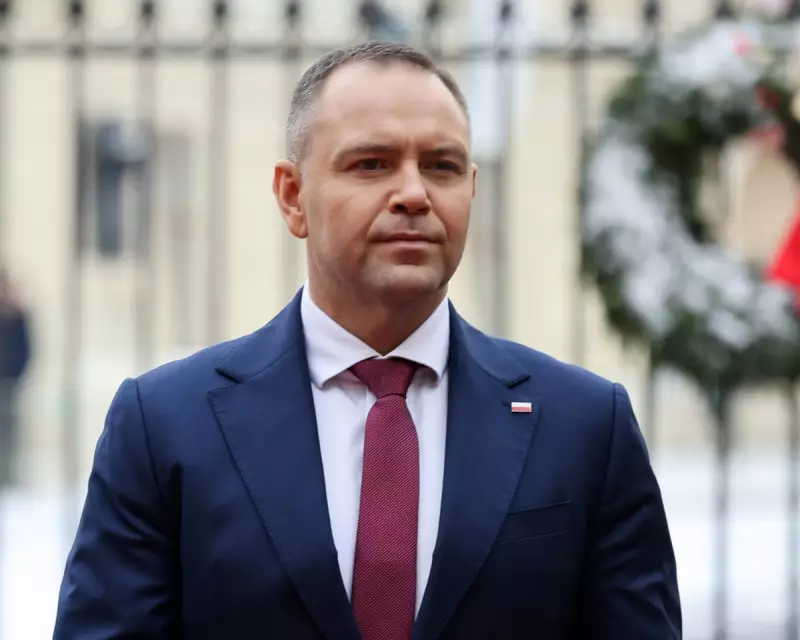
Further complicating the matter, Poland's nationalist president, Karol Nawrocki, has publicly stated he would veto "any bill that would undermine the constitutionally protected status of marriage", which is defined in Poland as a union between a man and a woman. For years, the predominantly Catholic nation has seen its ruling powers brand the struggle for LGBT+ equality as a dangerous foreign ideology.
This ECJ ruling is a binding decision that now sets a precedent for all 27 EU member states, reinforcing the principle that core EU rights, such as free movement and family life, must be uniformly protected across the bloc, regardless of national differences on social issues.