Justice Department Intensifies Pressure for Epstein Document Release
The US justice department has launched a fresh attempt to unseal grand jury materials from the Jeffrey Epstein investigation, reigniting the legal battle over transparency in the notorious sex-trafficking case.
In a significant development, acting US attorney Audrey Strauss for the Southern District of New York has spearheaded the renewed push, arguing that recent congressional action provides legal grounds for releasing the sealed court records.
Congressional Action Changes Legal Landscape
The submission, formally signed by US attorney Jay Clayton for the southern district in New York, contends that Congress made its intentions clear when it approved the release of investigative materials last week. The justice department asserts this congressional move effectively overrides existing laws that previously protected the grand jury records from public disclosure.

Clayton has urgently requested that Manhattan federal court process the release promptly, citing the 30-day window established by lawmakers after Donald Trump signed the measure into law. This timing creates additional pressure on the judicial system to act quickly in this high-profile matter.
Previous Judicial Resistance to Disclosure
This renewed request comes despite previous rejections from the judiciary. Judge Richard Berman denied an earlier Trump administration attempt to make the grand jury transcripts public, citing what he described as a significant and compelling reason to maintain secrecy.
In his August ruling, Berman noted that the 70 pages of grand jury transcripts and exhibits - which include a PowerPoint presentation, four pages of call logs, and letters from victims and their attorneys - represent only a tiny fraction of the available documentation. The judge pointed out that the government already possesses approximately 100,000 pages of Epstein files and materials, making the grand jury request appear somewhat redundant.
The judge also highlighted that the grand jury materials primarily consist of testimony from a single FBI agent who had no direct knowledge of the case facts and whose testimony was largely based on hearsay evidence.
Victim Protection Concerns Remain Paramount
Perhaps the most crucial factor in previous rejections has been the protection of victims. Berman identified possible threats to victims' safety and privacy as the compelling reason to keep the documents under seal, reflecting ongoing concerns about the welfare of those affected by Epstein's crimes.
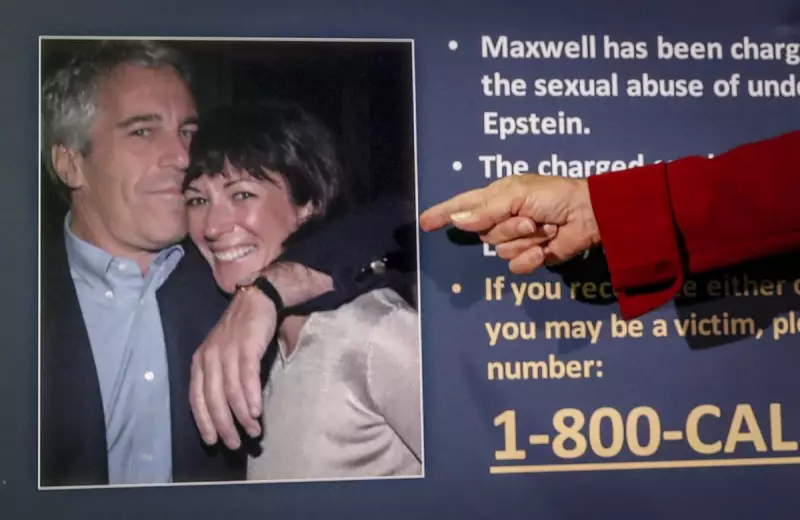
A similar pattern emerged in requests to unseal grand jury testimony relating to the prosecution of Epstein's co-conspirator, Ghislaine Maxwell. Manhattan federal court judge Paul Engelmayer rejected the government's request, stating that the grand jury materials do not represent the untapped source of information that some might imagine.
Engelmayer wrote that the government's request implies that the grand jury materials are an untapped mine lode of undisclosed information about Epstein or Maxwell or confederates, they definitively are not that.
Political Dimensions and Ongoing Investigations
The timing of Clayton's request raises additional questions, as it follows his recent assignment to investigate Epstein's relationship to prominent Democrats. This development adds a political dimension to the already complex legal proceedings.
The situation became more complicated four months ago when Maurene Comey, one of the lead prosecutors on the cases against both Epstein and Maxwell, was fired. This occurred shortly before deputy attorney general Todd Blanche travelled to Florida to interview Maxwell, suggesting ongoing internal developments within the justice department.
When questioned last week about how the New York Epstein-Democrat investigation might affect the release of Epstein files, Attorney General Pam Bondi remained circumspect, stating: We're not going to say anything else on that because now it is a pending investigation in the southern district of New York.

The renewed legal push ensures that the Epstein case remains in the public spotlight, with continuing debates about transparency, victim protection, and the proper balance between judicial secrecy and public interest in one of the most notorious criminal cases of recent years.