Medical Professional Faces Consequences for Elaborate Benefit Fraud
A London-based doctor has been removed from the medical register after admitting to an elaborate housing benefit fraud that netted him nearly £12,000. Dr Olubunmi Adeagbo-Sheikh, who had worked at King's College Hospital NHS Foundation Trust, invented a fictitious landlord and tenancy agreement to claim benefits for a non-existent property.
The Fraudulent Scheme Uncovered
Between September 2018 and September 2019, while still a medical student, Dr Adeagbo-Sheikh submitted false claims for Universal Credit, receiving approximately £900 monthly for rent. The address he provided was completely fabricated, and the supporting tenancy agreement was equally bogus. According to tribunal documents, he successfully obtained 13 payments totalling nearly £11,700 before authorities uncovered the deception.
Investigators discovered that the Nigeria-born doctor, who completed a BSc in Medical Biology from Brunel University of London, deliberately created a fake address to prevent correspondence from reaching an actual resident who might raise suspicions. He later admitted that this strategy was intended to ensure the benefits continued for as long as possible without detection.

Legal Proceedings and Tribunal Findings
Following his arrest in October 2019, police seized the doctor's laptop and uncovered crucial evidence including WhatsApp messages discussing the fraud with a friend, along with three counterfeit tenancy agreements. Dr Adeagbo-Sheikh was formally charged with dishonestly making a false statement to obtain a benefit in December 2023.
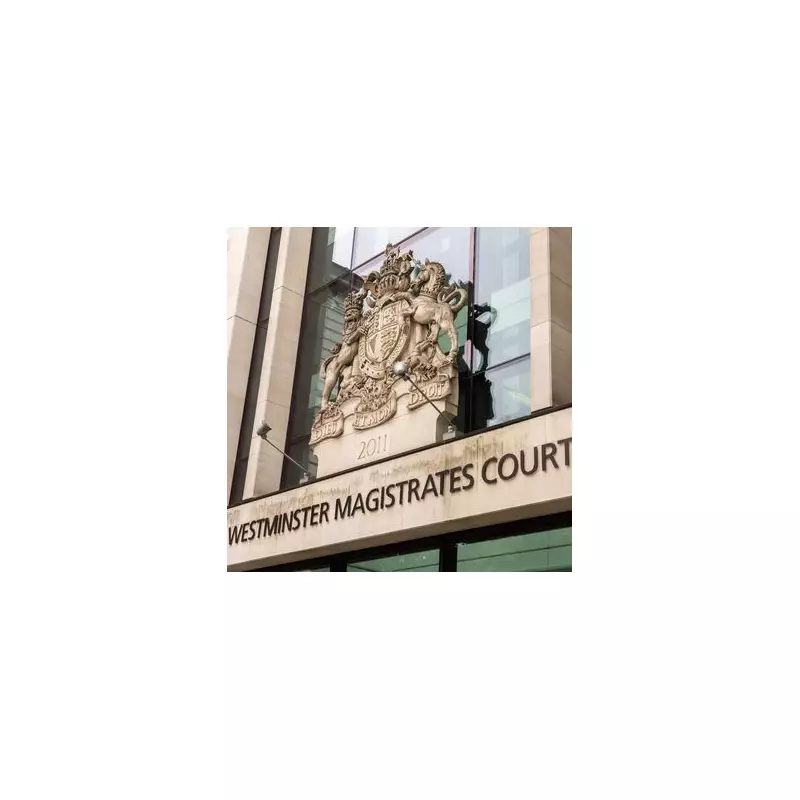
He pleaded guilty at Westminster Magistrates' Court in January 2024 and received a 12-month Community Order with 100 hours of unpaid work the following month. The tribunal noted that he has since repaid the full amount and completed his community service in "good time".
During October tribunal hearings, the Medical Practitioners Tribunal Service determined that erasure from the medical register was the "only necessary and proportionate sanction" to maintain public confidence in the medical profession. They noted that while Dr Adeagbo-Sheikh posed no risk to patient safety, his conduct was "fundamentally incompatible" with remaining on the register.
Mitigating Circumstances and Personal Fallout
Dr Adeagbo-Sheikh told the tribunal he committed the fraud to achieve financial independence and avoid asking his family for assistance. He described the incident as an "isolated lapse in judgement" influenced by personal struggles at the time, though specific details remained confidential.
The case took a personal turn when the tribunal heard how the doctor confessed to his mother, who subsequently took him to their local mosque where he was assigned cleaning duties as punishment. Multiple witnesses testified about his remorse and character, though the tribunal questioned the depth of his reflection, noting that most remediation efforts occurred from late 2024 onwards, despite being caught in 2019.
In a concerning development, the tribunal expressed scepticism about an apology letter submitted by Dr Adeagbo-Sheikh, suggesting it appeared to have been generated using Artificial Intelligence. The doctor claimed he wrote 85% of the content himself, using AI only for layout purposes, but tribunal members estimated his original contribution at just four to five pages of the 16-page document.
The General Medical Council has allowed Dr Adeagbo-Sheikh to continue practising until the erasure order takes effect later this month, pending any appeal. If he appeals, he can practise unrestricted until a final decision is reached.