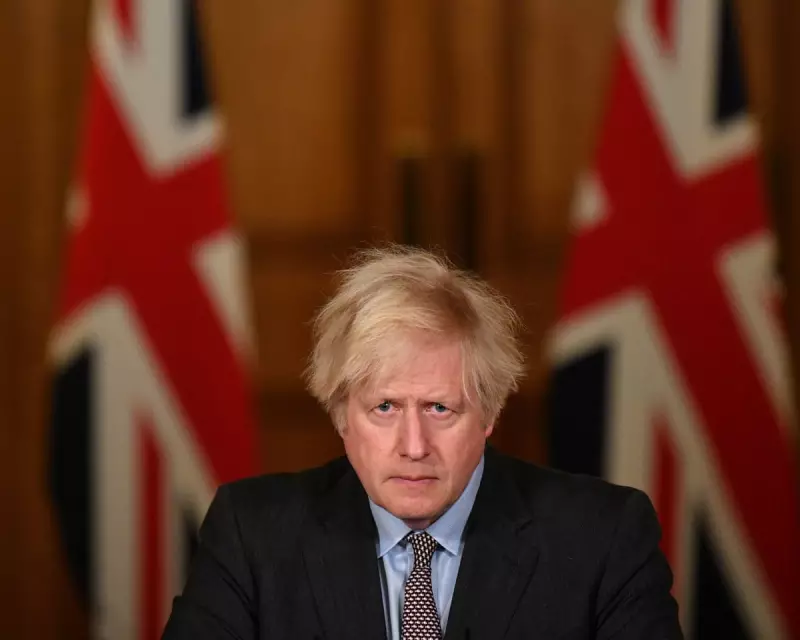
The official Covid-19 inquiry has delivered a damning verdict on the UK's handling of the pandemic, singling out the Boris Johnson-led government for the most severe criticism. The report, chaired by Baroness Heather Hallett, paints a picture of a "toxic" administration that was dangerously complacent and out of its depth during the crucial early stages of the crisis in 2020.
A Litany of Failures Across the UK
The inquiry's findings extend to all four UK governments. In Northern Ireland, the response was marred by political divisions. Scotland's then-First Minister, Nicola Sturgeon, is described as serious and diligent but is criticised for not involving her cabinet enough in key decisions. The Welsh government, led by Mark Drakeford, is noted to have repeated some of London's errors, particularly by delaying new restrictions in the autumn of 2020.
However, the Westminster government receives the largest share of blame, a consequence of its greater resources, size, and ultimate record. The report highlights the now-familiar "culture of fear" fostered by advisers like Dominic Cummings and the deeply damaging revelations about lockdown-breaking parties in Downing Street.

The 'Lost Month' and Departmental Complacency
One of the most shocking revelations is the identification of February 2020 as a "lost month". The inquiry found that during this critical period, as the virus began to spread globally, Prime Minister Boris Johnson went on a half-term holiday. He did not receive daily briefings and failed to meet with his cabinet, an act described as unforgivable by bereaved families.
Equally disturbing are the conclusions about the Department of Health and Social Care. The then Health Secretary, Matt Hancock, is portrayed as having "nuclear levels" of confidence and a reputation among senior officials for making misleading statements. His most senior official, Permanent Secretary Sir Chris Wormald—who now heads the civil service—was reportedly still resisting lockdown measures as late as 15 March 2020.
Looking Ahead: The Imperative for Change
For the families who lost loved ones, this report is a significant milestone in their quest for truth and accountability. Many believe Boris Johnson should be stripped of the privileges afforded to former prime ministers.
Yet, the report underscores a broader issue. The UK's fundamental unpreparedness for a pandemic, despite repeated warnings, and a deficit of scientific understanding within government are systemic problems that extend beyond one administration. The inquiry itself has faced scrutiny over its length and cost, but its core message is clear: emergency planning is a core government responsibility.
It is not enough to simply document past failures. The critical task for current and future governments is to learn from these grave errors and ensure the UK is better prepared when the next major crisis inevitably strikes.