UK Covid Response Condemned as 'Too Little, Too Late'
A devastating official inquiry into the UK's handling of the Covid-19 pandemic has delivered scathing criticism of political leaders across all four nations, revealing systemic failures in decision-making and transparency that cost lives.
The report found that former Prime Minister Boris Johnson presided over a 'toxic and chaotic' culture within Downing Street, with delayed decisions having fatal consequences during the health crisis.
Sturgeon's Inner Circle Under Fire
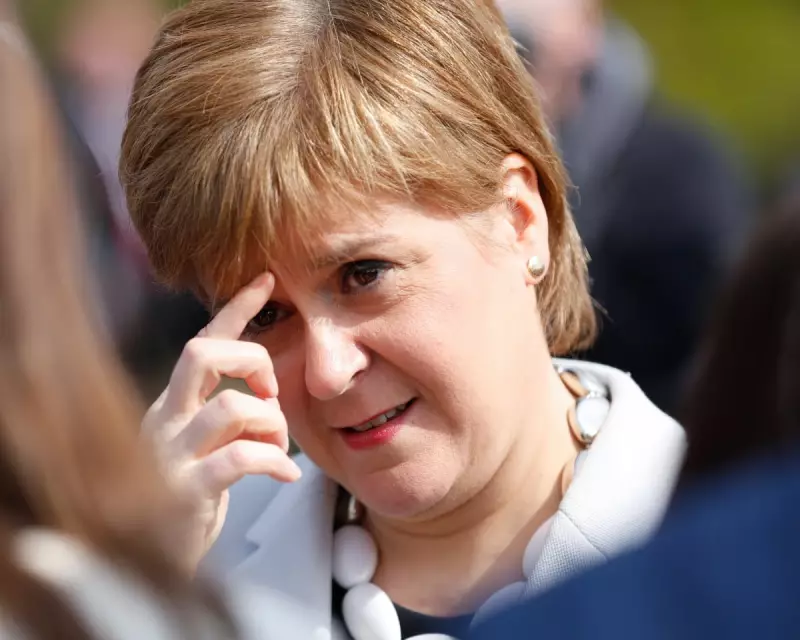
In Scotland, the inquiry uncovered that then First Minister Nicola Sturgeon operated an informal 'gold command' structure that excluded senior colleagues from crucial pandemic decisions. While acknowledging Sturgeon as a 'serious and diligent leader who took responsibility for decisions', the report concluded this approach significantly reduced transparency and accountability.

The Scottish cabinet effectively became 'a decision-ratifying body and not the ultimate decision-making body', according to the findings. This structure 'deprived decision-makers of a wide range of views' and meant the cabinet should have been involved to a greater degree to ensure proper scrutiny.
Responding to the criticism, Sturgeon defended her government's approach, stating her cabinet 'was fully involved in the decision-making' and minutes from the period showed it 'was not some kind of rubber stamp'.
Devolved Nations Facing Similar Criticisms
The inquiry was equally critical of pandemic management in Wales and Northern Ireland, stating 'there was a serious failure by all four governments to appreciate the level of risk and the calamity that the UK faced'.
In Wales, the report found that delayed restrictions exacerbated Covid death rates. The Welsh government received advice on 5 October 2020 that further measures were needed but didn't implement a two-week 'firebreak' lockdown until 23 October. During this period, Wales recorded the highest age-standardised mortality rate of all four nations.
Former Welsh First Minister Mark Drakeford told investigators he initially believed Westminster would lead the pandemic response, but the inquiry said the Welsh government 'should have recognised the severity of the situation in January and February 2020 and taken its own steps to prepare'.
Northern Ireland's response was described as 'deeply divided along political lines and beset by leaks, leading to an incoherent approach'. Decision-making was marred by political disputes between ministers from the Democratic Unionist party and Sinn Féin.
The report also criticised then deputy first minister Michelle O'Neill's attendance at the funeral of veteran republican Bobby Storey in June 2020, noting that 'instances where ministers and advisers appeared to break Covid-19 rules caused huge distress to the public'.
O'Neill, now Northern Ireland's first minister, welcomed the report as an 'important milestone in the long journey of recovery after the pain and trauma of the Covid pandemic'.
The comprehensive assessment concludes that across the United Kingdom, the pandemic response represented 'a repeated case of too little, too late', with lessons that must be learned to prepare for future health emergencies.