A devastating report from the UK's Covid-19 public inquiry has delivered a scathing verdict on the government's handling of the pandemic, concluding that "too little, too late" characterised the response that led to thousands of avoidable deaths.
Toxic Culture at the Heart of Government
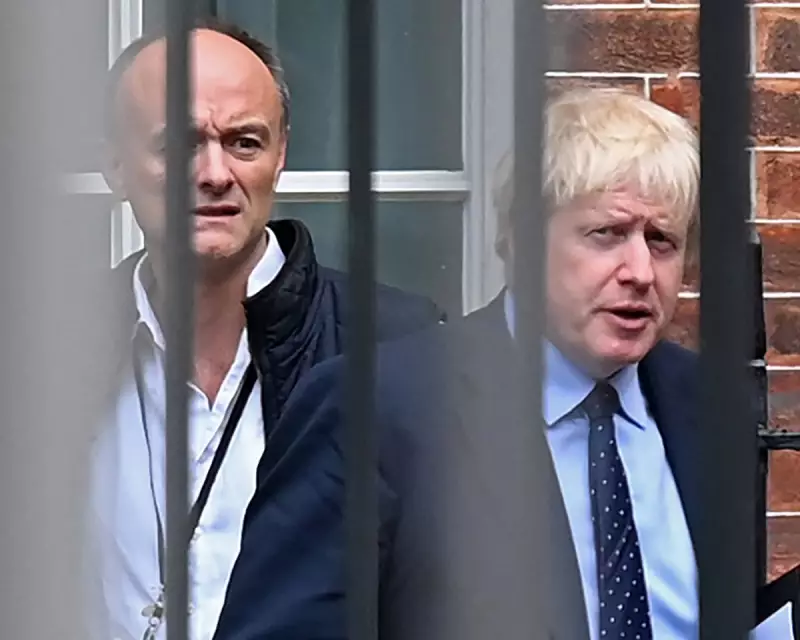
The 760-page report directed some of its strongest criticism at the "toxic and chaotic culture" within Boris Johnson's Downing Street. It found that the former prime minister's chief adviser, Dominic Cummings, "materially contributed to the toxic and sexist workplace culture" and poisoned the atmosphere in Number 10.
Senior civil servant Simon Case told the inquiry that "good people were just being smashed to pieces" in this environment, with junior women reportedly being "talked over or ignored." The inquiry rebuked Cummings for his "offensive, sexualised and misogynistic language" used in messages.

Johnson faced severe criticism for failing to restrain his adviser, with the report stating he "intentionally sought to foster conflict and a chaotic working environment." This poor culture directly impacted the quality of advice and decision-making during the crisis.
Fatal Delays in Decision-Making
The inquiry was unequivocal about the consequences of delayed decision-making, stating that acting sooner would have saved lives. It described February 2020 as a "lost month" and concluded the situation by 12 March 2020 was "little short of calamitous."
According to the report's findings, imposing lockdown just one week earlier in March 2020 could have prevented approximately 23,000 deaths. During the second wave in September and October 2020, Johnson "repeatedly changed his mind on whether to introduce tougher restrictions and failed to make timely decisions."
The report recommended that in future emergencies, interventions must be imposed "earlier and 'harder' than might be considered ideal" and called for the creation of central taskforces in each nation to improve decision-making.
Failures in Protecting Vulnerable Groups
The inquiry highlighted significant failures in protecting those most at risk from Covid-19. Disabled people and those from ethnic minorities were not sufficiently protected due to policy failures and lack of data.
The government failed to "act sufficiently speedily to mitigate some risks to disabled people," with people with Down's syndrome not added to the shielded patient list until September 2020. Meanwhile, staff from the race disparity unit and government equalities office were redeployed despite evidence showing ethnic minority groups faced heightened infection risks from April 2020.
Confusing Messaging and Rule-Breaking
Public health messaging suffered from significant confusion, with Johnson criticised for his "expressions of over-optimism" that undermined official guidance. The "eat out to help out" scheme was singled out for potentially creating a false belief that the pandemic was over.
The inquiry also condemned the "rule-breaking by senior government officials," specifically referencing Dominic Cummings' trip to Barnard Castle, which "undermined public confidence in decision-making" and increased the risk of public non-compliance with protective measures.
Scientific Understanding and Expert Support
Ministers' grasp of scientific concepts came under scrutiny, with Johnson described by his chief scientific adviser Patrick Vallance as "bamboozled" and struggling to understand statistics. Ministers frequently confused scenario modelling with forecasts, damaging relationships with scientific advisors.
The report revealed that scientific experts faced "excessive" workloads, threats and intimidation, with Professor Chris Whitty being assaulted in a park in June 2021 and his deputy Jonathan Van-Tam receiving death threats against his family.

The inquiry warned that this abuse creates a "real risk" that talented people will be dissuaded from contributing to scientific advice in future emergencies, recommending training courses on core scientific concepts for politicians.