High Court Declares Palestine Action Ban Unlawful in Landmark Ruling
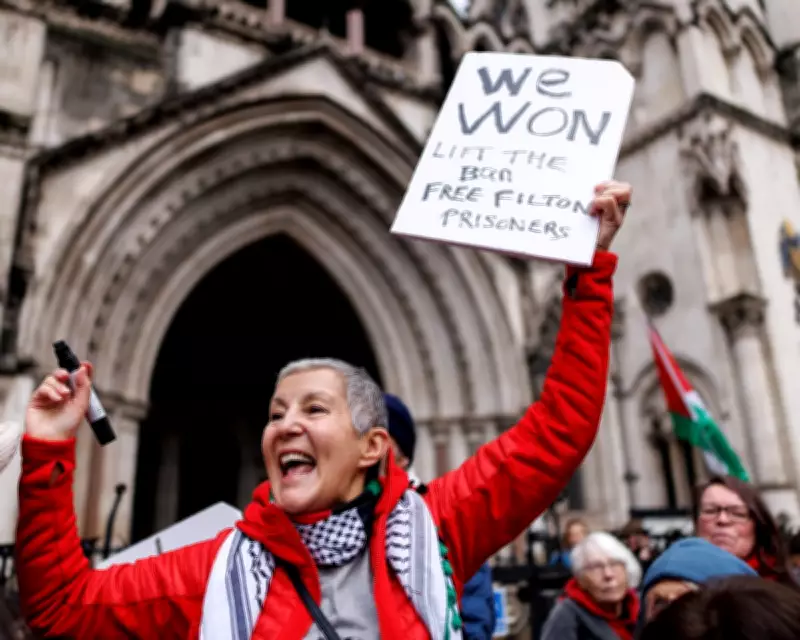
In a significant legal blow to the government, three senior high court judges have ruled that the home secretary's decision to ban Palestine Action under anti-terrorism laws is unlawful. The judgment, led by Dame Victoria Sharp, president of the king's bench division, was delivered on Friday, sparking immediate repercussions for the direct action group and its supporters.
Grounds for the Ruling: Free Speech and Policy Breaches
The judges found the ban unlawful on two critical grounds. Firstly, it constituted a very significant interference with the right to freedom of speech and freedom of assembly, principles enshrined in democratic values. Secondly, the decision breached the home secretary's own proscription policy, which mandates consideration of factors such as the nature and scale of an organisation's activities and the specific threat it poses to the UK.
This ruling underscores the judiciary's role in upholding civil liberties against executive overreach, setting a precedent for future cases involving protest groups.

Current Status: Ban Not Yet Quashed, Appeal Looms
Despite the ruling, the ban has not been quashed immediately. Dame Victoria Sharp indicated in her judgment that an order to quash the home secretary's decision is proposed, subject to further submissions on relief. Home secretary Shabana Mahmood has announced plans to appeal, and her legal team is expected to argue for the ban to remain in place pending any appeal.
Huda Ammori, co-founder of Palestine Action who brought the successful challenge, urged the government to respect the court's decision and bring this injustice to an end without further delay. However, if permission to appeal is granted, it could be months before a final resolution, leaving the group and its supporters in legal limbo.
Impact on Arrests and Charges
Since the proscription took effect on 5 July last year, 2,787 people have been arrested under the Terrorism Act, primarily for holding signs opposing genocide and supporting Palestine, according to Defend Our Jerseys. More than 500 of those arrested have been charged, with all appearing so far pleading not guilty.
If the proscription order is eventually quashed, charges based on it should be dropped. However, with the ban still in place and an appeal pending, those affected remain in uncertainty. Chief magistrate Paul Goldspring has delayed trials awaiting the judicial review outcome, highlighting the legal complexities.
Notably, individuals in jail for pre-proscription activities face charges under existing criminal laws, not the Terrorism Act, and no one has been charged with membership or actions since the ban.
Legal Implications and Government Setback
Until the order is quashed, it remains an offence to be a member of or show support for Palestine Action, punishable by up to 14 years in prison. The Metropolitan Police has stated it will stop arrests immediately but will gather evidence for potential future prosecutions.
This ruling severely undermines the government's efforts to combat Palestine Action. If the ban is quashed, the group can legally resume actions targeting entities like Elbit Systems UK, which it accuses of complicity in genocide. Members would then be subject only to criminal law for any illegal actions, similar to groups like Extinction Rebellion.
The high court defeat is particularly embarrassing for the government, coming just nine days after a jury failed to convict six Palestine Action activists in a break-in case, where defendants argued they acted to prevent Palestinian slaughter.
Looking Ahead: A Pivotal Moment for Protest Rights
This case highlights the tension between national security measures and fundamental freedoms. As the legal process unfolds, it will shape the landscape for protest movements in the UK, testing the limits of anti-terrorism legislation in a democratic society.