The long-awaited release of documents related to the Jeffrey Epstein case has exposed a sharp rift within conservative circles in the United States, pitting Trump loyalists against critics demanding greater transparency from his own administration.
A Divided Republican Response
Reaction from the right has been decidedly mixed following the justice department's move. Supporters of former President Donald Trump have seized on the prominent appearance of figures like former President Bill Clinton in unredacted photographs, using them as a political cudgel. However, a significant faction, including high-profile representatives, has expressed fury at the extensive blacking-out of text, arguing it violates both the spirit and the letter of the law mandating the release.
The documents were released by a justice department led by close Trump ally, Attorney General Pam Bondi. They contain hundreds of pages that are fully redacted, while many individuals pictured have their faces obscured. Notable exceptions include Clinton, the late pop star Michael Jackson, and academic Noam Chomsky.

Critics Slam "Heavily Redacted" Files
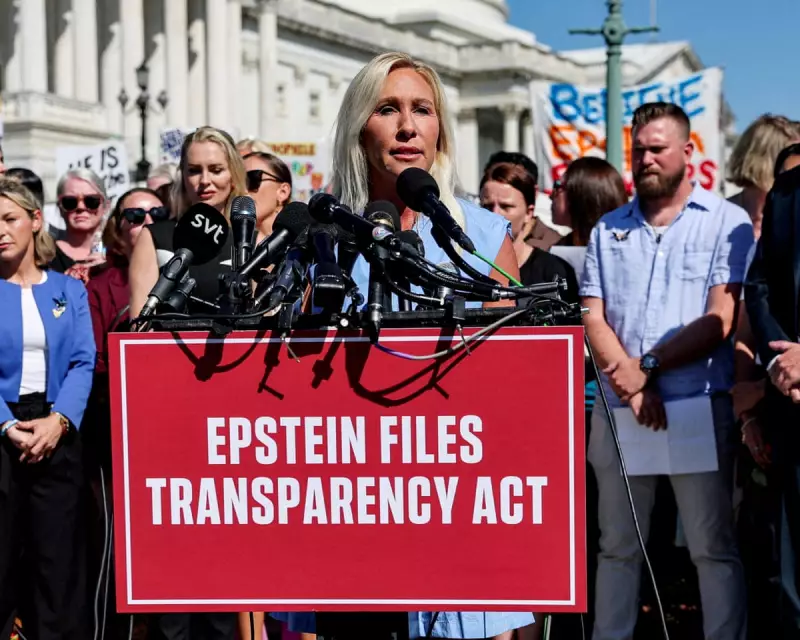
Leading the charge against the administration's handling of the release is right-wing Georgia representative Marjorie Taylor Greene. In a social media post, she criticised what she termed "the heavily redacted Epstein files," the failure to meet a legal deadline for a full release, and the protection of "politically exposed individuals." She starkly concluded this was "NOT MAGA," suggesting the move was disloyal to the Trump movement's ideals.
Echoing this sentiment, Republican Kentucky representative Thomas Massie stated the redactions likely broke the law. He went so far as to suggest that a future Congress could impeach Attorney General Bondi for this violation. "Unfortunately, today's document release... grossly fails to comply with both the spirit and the letter of the law," Massie wrote, referencing legislation signed by Trump just one month prior.
Trump Allies Focus on Democratic Figures
Conversely, some prominent Trump supporters have rallied behind the administration's actions, focusing their attention squarely on the unredacted appearances of Democratic figures. Conservative commentator Laura Loomer highlighted a photograph allegedly showing Bill Clinton, writing, "It's pretty rich how the Democrats falsely accused President Trump of being a pedophile, only for the Trump DOJ to release Epstein files that show Bill Clinton skinny dipping with a pedophile."
Attorney Rogan O'Handley, with millions of followers online, pointed to an image of Clinton shirtless in a hot tub with a woman other than his wife, Hillary Clinton. "There's only 1 reason Epstein would photograph a US President with a girl in a hot tub: Blackmail," he claimed. A spokesperson for Clinton has repeatedly stated the former president knew of no criminal activity by Epstein and has never been accused of wrongdoing.
Deputy Attorney General Todd Blanche vigorously defended the redaction process, releasing a six-page letter and claiming, "Never in American history has a President or the Department of Justice been this transparent with the American people about such a sensitive law enforcement matter." Despite this, the heavy censorship has left many questions unanswered about what information remains concealed, particularly regarding other individuals named in the files.
Overall, the conservative commentary on Saturday was more muted than the fervent demands that preceded the congressional vote forcing the documents' release. The episode has ultimately highlighted a complex political dynamic, where the pursuit of accountability intersects with fierce partisan loyalties and the operational realities of a sensitive judicial process.