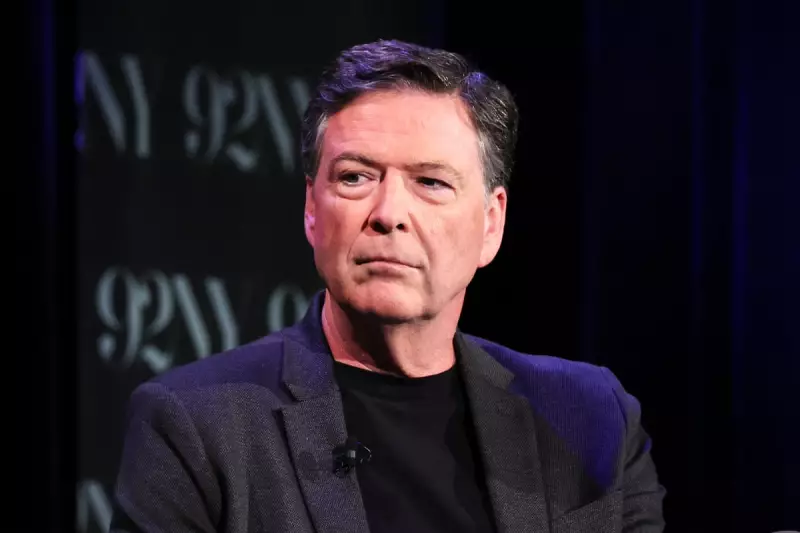
Prosecutors Admit Critical Error in Comey Case
Federal prosecutors made a startling admission on Wednesday, revealing they never presented the final version of the indictment against former FBI director James Comey to the full federal grand jury. This concession represents another significant challenge in the already controversial effort to prosecute the high-profile figure.
The disclosure came during a hearing where Comey's legal team argued vigorously for the case's dismissal, claiming it represents a selective and vindictive prosecution targeting their client.
Charges and Controversial Process
Comey faces serious legal allegations, having been indicted on 26 September on one count of making a false statement to Congress and one count of obstructing a congressional proceeding. These charges stem from his 2020 testimony where he denied authorising "someone else at the FBI to be an anonymous source in news reports" concerning Hillary Clinton.

Court documents from September reveal that Lindsey Halligan, a Trump ally appointed as top prosecutor in this case, had pursued an additional false statement charge against Comey. However, grand jurors rejected this additional charge, creating the procedural dilemma that now threatens the entire case.
When pressed by US District Judge Michael Nachmanoff, who oversees the case, Halligan confirmed that only the foreperson and one other grand juror had seen the revised indictment containing only the two charges the grand jury had approved. This admission, reported by CNN and Lawfare on Wednesday, suggests fundamental procedural errors.
Legal Experts See "Fatal Flaw"
Andrew Tessman, a former federal prosecutor with experience in West Virginia and Washington DC, described the situation as "highly problematic" and potentially containing a "fatal flaw" in the prosecution's case. "This is just not how grand jury operates," Tessman stated emphatically.
The concerns about proper procedure were further amplified by revelations about Halligan's background. Despite never having previously handled a criminal case, the former insurance lawyer presented the case to the grand jury herself, raising questions about her qualifications for such a complex legal proceeding.
Evidence of confusion during the indictment process emerged from a CBS News-obtained transcript of the hearing where the indictment was returned. The magistrate judge overseeing that proceeding noted she had been given two different versions of the indictment, indicating disorganisation in the prosecution's approach.
Michael Dreeben, one of Comey's attorneys, declared the indictment essentially void, stating unequivocally in court: "There is no indictment Mr Comey is facing."
In contrast, N Tyler Lemons, an assistant US attorney handling the case, argued there was no substantial problem because the final indictment merely removed a charge the grand jury had rejected. "The new indictment wasn't a new indictment," he contended, according to the Washington Post.
Judge Nachmanoff has given the justice department until 5pm on Wednesday to provide a more detailed explanation of what occurred during the indictment process.
This latest development follows recent concerns about potential "government misconduct" raised by a magistrate judge, who noted Halligan made at least two "fundamental and highly prejudicial" misstatements of law to the grand jury. That judge took the unusual step of ordering prosecutors to turn over grand jury materials to Comey's team, though that order remains on hold pending an appeal.
The case continues to draw significant attention, particularly given reports that career prosecutors initially believed there was insufficient evidence to charge Comey with any crime before Trump installed Halligan in her position.