Cesar Chavez Abuse Survivor Breaks Silence: 'My Body Remembers'
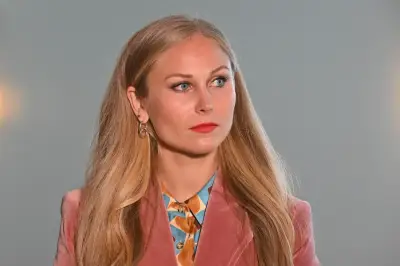
Jennifer Andrea Porras, a 53-year-old non-binary, Indigiqueer, Coahuiltecan artist and cultural worker from the San Francisco Bay Area, has publicly disclosed that they were sexually abused by civil rights icon Cesar Chavez as a teenager. This revelation comes in the wake of a New York Times investigation detailing similar allegations by multiple women against the co-founder of the United Farm Workers (UFW) union.
A Long-Awaited Reckoning
Porras stated they were not surprised by the news, as it confirmed their own traumatic experiences with Chavez. "I knew this was coming. I didn't know how or in what direction it was coming, or who was speaking," said Porras. The allegations have prompted cities across California to remove murals, rename streets, and dismantle statues of Chavez, while also creating space for survivors to speak out.
Porras emphasized that this moment is about fostering dialogue, action, care, accountability, recovery, and responsibility within the Latino community. "This is really about survivors talking to survivors and those around them," they said, urging caregivers, parents, and guardians to believe children and individuals when they report abuse.

Detailed Allegations and Corroboration
Porras detailed how Chavez groomed them from a young age, beginning when they were 16, and sexually harassed them on multiple occasions during the summer of 1990 at La Paz, the UFW headquarters in Keene, California. At the time, Porras was an 18-year-old intern working as a field organizer.
Several individuals, including relatives, friends, and others involved in the labor movement, have corroborated Porras's allegations. They confirmed that Porras had shared details of the abuse at various points in their life. Through interviews and review of dated photographs and documents, key aspects of Porras's accusations—such as locations, dates, and names of union organizers informed at the time—have been verified.
Family Background and Grooming Process
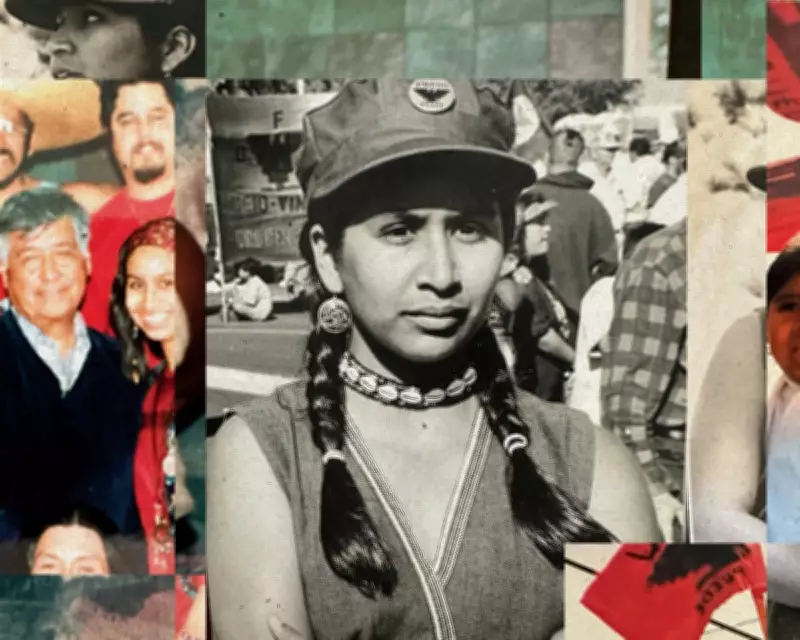
Born into a family deeply involved in the Chicano and labor rights movements, Porras grew up immersed in activism. Their parents, Josie and Andy Porras, were longtime community organizers and public school teachers. Porras first met Chavez at age 16 in Stockton, an event documented by their father in a column that highlighted the family's admiration for the leader.
Chavez later invited Porras to work at La Paz during their first summer break from Sacramento State University. Porras described how Chavez's behavior escalated from friendly gestures to unwanted advances, including inappropriate questions about their virginity and sexuality, forced kisses, and groping during car rides to meetings.
Impact and Healing Journey
The abuse has had lasting effects on Porras, who noted that their body still remembers the trauma. "Those things stick with you over the years. My body still remembers, my cells remember, my bones remember," they said. Porras has used art and community support to cope, becoming a well-known advocate and artist focusing on stories of murdered and Indigenous women.
Porras hopes that speaking out will end the culture of silence, often encapsulated in the phrase "calladita te vez más bonita," and encourage others to believe survivors. They stressed that abusers remain present in today's movements, homes, and places of worship and power, calling for vigilance and support for those affected.
Legacy and Moving Forward
Despite the abuse, Porras has maintained involvement in the labor movement, distancing themselves only from Chavez-organized activities. They asserted that the movement was never about Chavez alone and emphasized the importance of supporting campesino communities.
In recent weeks, Porras has leaned on friends, family, prayer, and ceremony to heal reopened wounds. They expressed relief at finally lifting the weight off their shoulders and hope others can do the same. "It reminded me that life is worth living and that it wasn't our fault," Porras said. "The suffering that [Chavez] has caused ends here. It's now time to pull ourselves back together and know that we are better than OK."