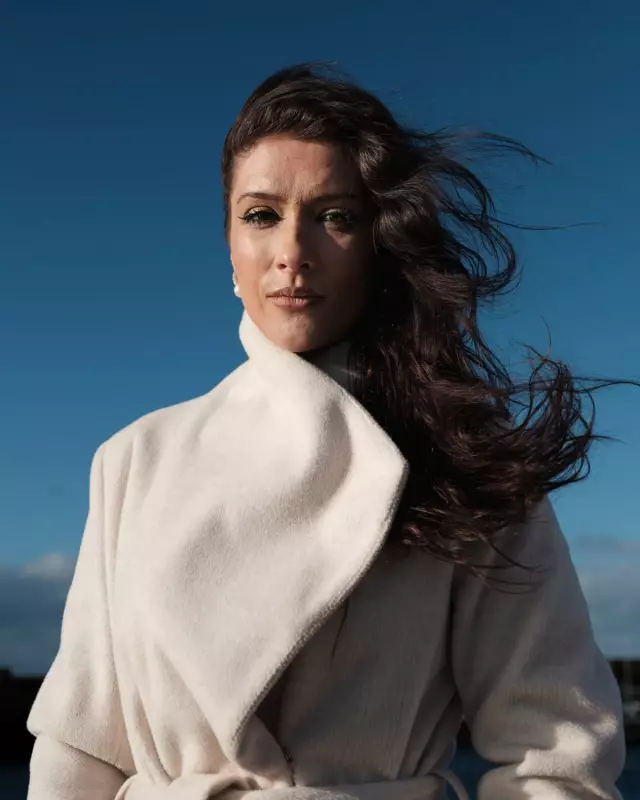
Cara Hunter, a politician from Northern Ireland, describes the moment she discovered a pornographic deepfake video of herself as "like watching a horror movie." The incident occurred in April 2022, during the final, heated weeks of her campaign to defend her East Londonderry seat in the Northern Ireland Assembly.
A Birthday Celebration Shattered by a Message
The setting was her grandmother's 90th birthday party in rural Tyrone. Surrounded by family, Hunter received a Facebook message from a stranger asking, "Is that you in the video … the one going round on WhatsApp?" Despite her frequent public videos, the query from an unknown man put her on alert. When she asked for clarification, he sent the clip.
"It was extremely pornographic," Hunter states, recalling the visceral shock. "It’s a clip of a blue-walled bedroom, and it has American plugs. There’s this woman – a woman who seemed to have my face – who is doing a handstand and having mutual oral sex with a man." As she processed this, her phone flooded with vitriolic messages from other strangers who had seen the malicious video.

The Fight for Justice and Legislative Change
In the immediate aftermath, Hunter faced a horrific dilemma. Her party, the Social Democratic and Labour Party (SDLP), advised against going public, fearing it would sexualise her campaign and amplify the video's reach just weeks before the election. The police informed her no crime had been committed and they lacked the resources to investigate.
Undeterred, Hunter herself used reverse image searches to find the original, non-altered video. She ultimately followed her party's advice, campaigned through the abuse, and won her seat by a margin of just 14 votes. After the election, she broke her silence, driven by an "ethical duty" to use her platform to prevent this happening to others.
Her advocacy comes as legislation begins to catch up with the technology. In England and Wales, the Online Safety Act and the Data (Use and Access) Act 2025 have criminalised the sharing, creation, and requesting of deepfake intimate images. Northern Ireland is consulting on similar laws. However, a recent police study found one in four people see nothing wrong with creating or sharing such material, a statistic Hunter finds shocking but unsurprising given the normalisation of violence against women.
The Lasting Impact on Politics and Personal Life
The personal toll was severe. Hunter had to explain the fake video to her uncle and father after they were shown it. In her local community, people crossed the street to avoid her, and she faced explicit verbal harassment. The trauma was compounded by a separate health diagnosis; just as she took her assembly seat, she learned she had a non-malignant pituitary tumour, a condition exacerbated by stress.
Hunter fears such experiences will deter women from public life. "Any time I ask a woman to consider standing, I have to ask three or four times. With men, nine out of 10 times, they’ll say yes straight away," she notes. With another election due in May 2027, she feels anxiety about what might come next, but remains passionate about her work.
She continues to campaign for stronger protections, praising Denmark's proposed copyright law changes that would guarantee a person's right to their own body, face, and voice. Hunter also advocates for mandatory watermarking on all AI-generated video content. For her, the fight is far from over, and the blue-walled bedroom from that fake video remains a haunting daily memory.