A scathing independent review has condemned Australia's entrenched culture of political patronage, branding the federal government's response as a profound failure that will do little to restore public trust.
A Damning Verdict on Political Patronage
The long-awaited report, authored by former public service commissioner Lynelle Briggs and titled No Favourites, delivers a brutal assessment of how successive governments have treated senior public appointments. It states that the major political parties have so routinely abused the system for appointing individuals to government boards that public confidence has been almost completely eroded.
According to the report, this culture of appointing friends to reward loyalty or push political agendas – a clear form of nepotism – has significantly reduced confidence in government and contributed to a widespread climate of public disquiet. A low point highlighted was the previous Morrison government's last-minute appointment of numerous political figures to the Administrative Appeals Tribunal just before the 2022 election.

Key Reforms Ignored by Government
The Briggs report, completed in 2023 but kept under wraps by the Albanese government for over two years, proposed a suite of robust, legislated reforms. These were designed to restore integrity while maintaining ministerial responsibility.
The core recommendations included:
- Establishing transparent assessment panels to find qualified candidates.
- Implementing strict 'cooling-off' periods, blocking politicians and their staff from board appointments for 6 to 18 months after leaving office.
- Banning ministerial appointments in the six months leading up to an election.
- Giving the Australian Public Service Commission a central coordinating role.
- Crucially, legislating all changes to prevent future governments from undermining them.
Anthony Whealy KC, Chair of the Centre for Public Integrity, noted the report argued legislation was essential because "public confidence in the integrity of appointments is so low."
A 'Small Step' Framework That Fails to Deliver
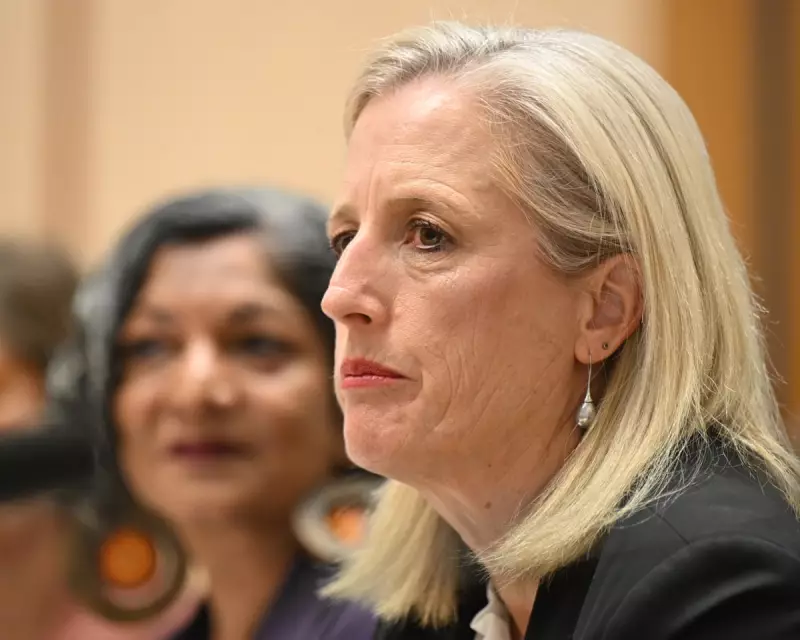
In response to mounting pressure, Finance Minister Katy Gallagher finally released the government's new appointments framework. However, experts have slammed it as wholly inadequate.
The framework omits several of the report's most critical recommendations, most notably the call for legislation. It also largely ignores the proposed cooling-off periods for ex-politicians and fails to empower the Public Service Commissioner as recommended.
"The government's response appears to show contemptuous disregard for public consultation," said Whealy, who is also a former assistant commissioner to the NSW ICAC. He labelled the refusal to legislate a "critical failure of the highest order."
The Centre for Public Integrity views the framework as shortsighted and inadequate, arguing it leaves too much room for the same unfettered ministerial discretion that caused the crisis in the first place. The two-year delay in releasing the report, justified by the government as necessary to prepare the framework, has been dismissed as a spurious defence given the weakness of the final response.
This episode raises serious questions about the Albanese government's commitment to transparency and accountability, suggesting that despite promises of change, the damaging 'jobs for mates' culture remains protected at the highest levels.