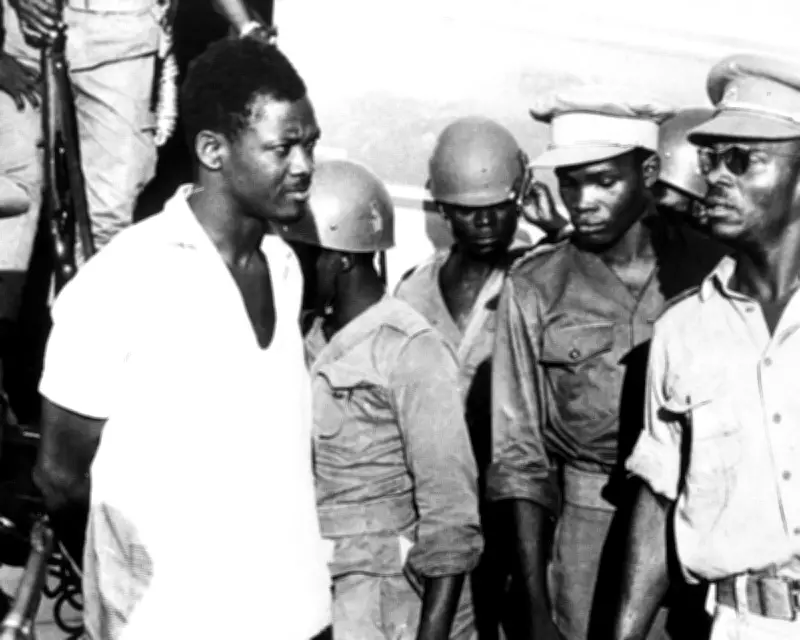
Patrice Lumumba, the first prime minister of the Democratic Republic of Congo (DRC) after its independence from Belgium, was assassinated in 1961 with Belgian involvement. Now, the last living suspect in the case, former Belgian diplomat Étienne Davignon, has died at age 93 before facing trial.
Background of the Case
Davignon was charged in March with war crimes for his alleged role in the extrajudicial killing of Lumumba 65 years ago. He was a junior diplomat at the time and was accused of participating in the unlawful detention or transfer of Lumumba, depriving him of a fair trial. Additionally, he faced accusations related to the murders of Lumumba's allies Maurice Mpolo and Joseph Okito.
Davignon's Denial and Appeal
Davignon consistently denied any wrongdoing. At the time of his death, he was awaiting the outcome of an appeal against a Belgian court's decision to order him to stand trial. The court had ruled that cases against other suspects were closed due to their deaths, leaving Davignon as the last target.

Reactions to the Development
The Lumumba family had welcomed the court's decision earlier this year, stating it was not the end of a long fight but the beginning of a reckoning history demanded. Davignon's death closes this chapter without a conviction.
Davignon's Later Career
After his Congo assignment, Davignon became a prominent figure in Belgian and European politics. He served as cabinet chief to Prime Minister Paul-Henri Spaak, as European commissioner from 1977 to 1985, and held numerous board positions. Born a viscount, he was elevated to count by King Philippe in 2018.
Significance of Lumumba's Murder
Lumumba was elected prime minister in 1960 but was ousted months later and killed by Belgian-backed secessionist rebels on January 16, 1961. His assassination remains a dark chapter in Belgium's colonial history and a symbol of the struggles for African liberation.