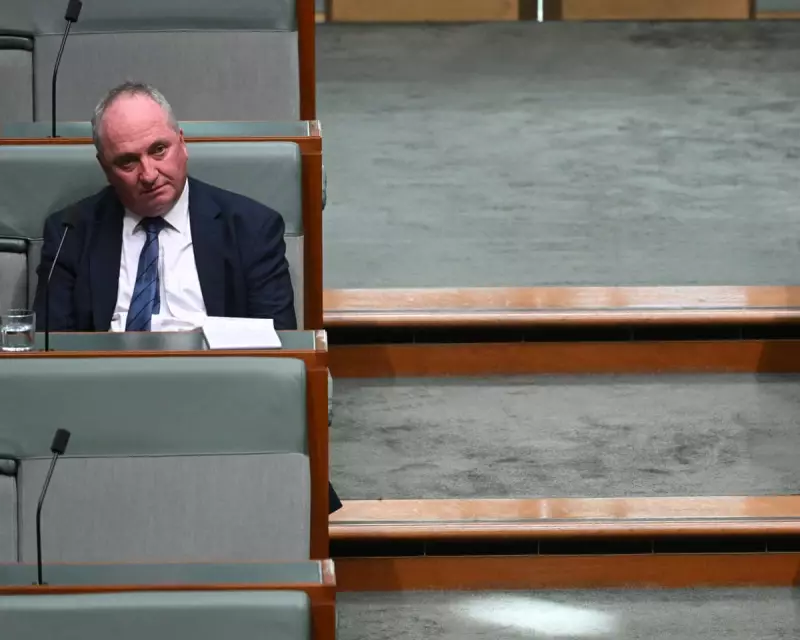
In a dramatic move that marks the end of an era, former deputy prime minister Barnaby Joyce has officially left the National Party after three decades, announcing he will sit as an independent in parliament.
The Ejection Chair Moment
During Wednesday's question time in federal parliament, all eyes were on the member for New England as he made his long-anticipated announcement. Joyce pointed to his position high on the opposition backbench, dramatically dubbing it 'the ejection chair' - a clear indication he believed his party leadership wanted him gone from their ranks.
The moment came after more than a month of speculation about his future with the Nationals. Despite claiming he doesn't want a political circus, Joyce's theatrical gesture ensured he remained firmly in the spotlight.

A Controversial Political Career
Joyce's political journey spans twenty years since his election to the Senate in 2004. Famously described by Tony Abbott as Australia's best retail politician, his career has been characterised by a string of scandals and misadventures rather than policy achievements.
From his early days in parliament, Joyce proved to be no team player. When John Howard's Coalition controlled both houses with a one-seat majority, Joyce regularly crossed the floor and ignored appeals for party discipline.
His time as shadow finance minister in 2009 saw him suggest the US might default on its loans, stoke fears about Chinese investment, and confuse billions with trillions in a major speech.
Scandals and Setbacks
Joyce's most significant controversies emerged during his time as deputy prime minister. In 2017, he resigned his seat after being caught in parliament's dual citizenship saga through family ties to New Zealand.
After being re-elected, rumours about his personal life overwhelmed the government in 2018 when it emerged his marriage had ended and he was expecting a child with a former staffer. The political damage was tremendous, leading to the ministerial 'bonk ban' and public sledging matches with then-Prime Minister Malcolm Turnbull.
More recently, Joyce was forced to take leave last year after footage emerged of him lying intoxicated on a Canberra footpath late at night.
His political judgment has continued to hurt the Coalition since the May election. Joyce has campaigned against the net zero by 2050 policy he originally signed the Coalition up to in government, ensuring media attention remains firmly on opposition divisions rather than government policy.
What Comes Next?
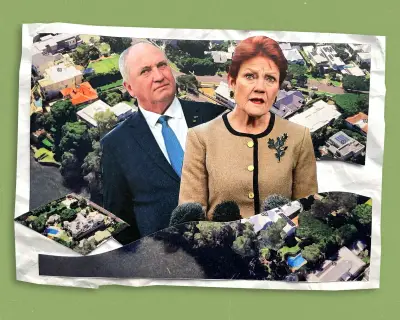
Joyce is expected to join Pauline Hanson's One Nation to run for the Senate at the 2028 election, with speculation he may eventually replace the 71-year-old as leader. This week, he dined on steaks cooked in Hanson's office but refused to confirm his plans.
His relationship with mining magnate Gina Rinehart has coincided with the Nationals' shift from representing country Australia to championing resources sector interests. Joyce's ideological opposition to renewables can't be separated from this influential backing.
If he returns to the Senate, Joyce would join only two other politicians in Australian history who have switched houses only to switch back - Jack Duncan-Hughes and Philip McBride from long-gone political eras.
Despite his departure, allies including Matt Canavan and Michael McCormack have pledged to convince Joyce to reconsider. Loved by many in his electorate and with fans of his maverick style around the country, they still consider him an asset.
In his parliamentary speech, Joyce pledged to continue his fight from a position better than 'the ejection chair'. After more than two decades in Canberra, many are wondering whether that better spot might be much farther afield from politics altogether.