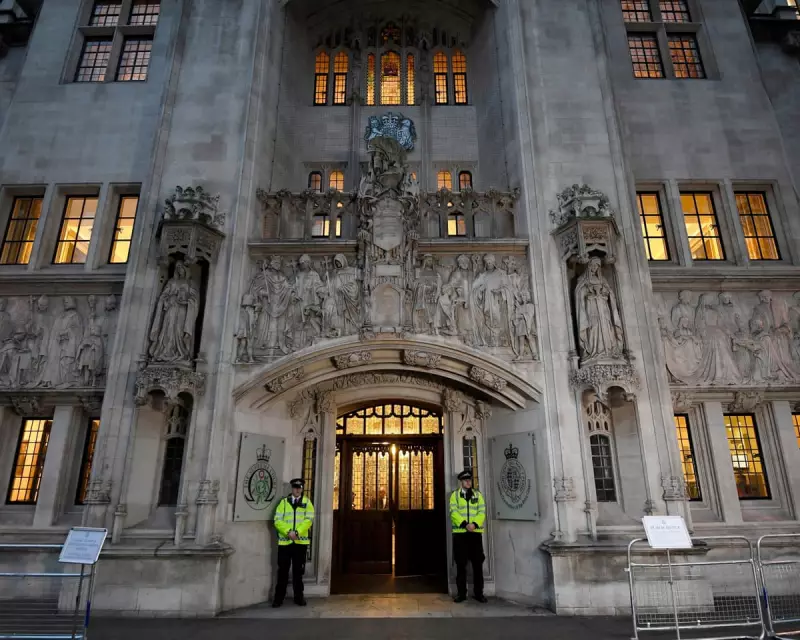
Landmark Surveillance Case Reaches UK's Highest Court
The Kingdom of Bahrain will appear before the UK Supreme Court this week to argue it enjoys sovereign immunity against claims it placed surveillance software on computers belonging to two political dissidents living in London. The hearing represents a crucial test case for how authoritarian governments can be held accountable for digital surveillance operations conducted against UK residents.
The Alleged Hacking Operation
Dr Saeed Shehabi and Moosa Mohammed allege the Bahraini government used German-made FinFisher surveillance software to infiltrate their computers while they were living in London in September 2011. Both men claim this digital intrusion caused significant psychological harm and violated their privacy.
The Court of Appeal ruled in October last year that Bahrain cannot claim sovereign immunity against these allegations under Section 5 of the State Immunity Act 1978. This section specifically states that a foreign state does not have immunity from claims for personal injury caused by acts occurring within the UK.

Legal experts from law firm Leigh Day, representing the claimants, describe FinSpy as particularly invasive software capable of collecting vast amounts of personal data. "It can record every keystroke, voice calls, messages, emails, and even activate the device's microphone and camera remotely," explained a representative from the legal team.
Legal Precedent at Stake
This case has already established important legal principles that could affect numerous similar claims. The Court of Appeal determined that remote manipulation of a computer located in the UK, even if initiated from abroad, constitutes an act within UK territory. Furthermore, the court ruled that "personal injury" under the State Immunity Act includes standalone psychiatric injury, significantly expanding the law's protective scope.
Bahrain has consistently denied the allegations of infecting the dissidents' computers with spyware. However, a High Court judge previously found that the claimants had provided sufficient expert evidence to prove their case on the balance of probabilities.
Both Dr Shehabi, a founder of the dissident party al-Wefaq, and Mr Mohammed, who fled Bahrain in 2006 after facing frequent detention, have had their Bahraini citizenship revoked. They view this legal battle as essential for holding foreign governments accountable for what they describe as "transnational repression on British soil."
The Supreme Court hearing, beginning Wednesday, will focus specifically on whether the two men have the right to claim damages given Bahrain's immunity claim, rather than determining whether damages are actually applicable. The outcome could set a crucial precedent for how digital surveillance by foreign states is treated under UK law.