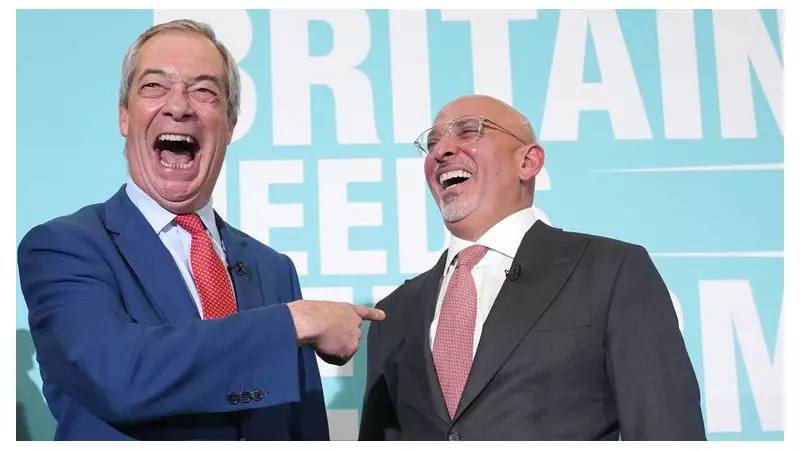
The political landscape in Britain has been jolted by the unexpected defection of a senior Conservative figure to the insurgent right. Nadhim Zahawi, the former Chancellor of the Exchequer and vaccines minister, has joined Reform UK, the party led by Nigel Farage.
An Unlikely Alliance: Establishment Figure Meets Anti-Establishment Party
Zahawi's move, announced on Monday 12 January 2026, has raised eyebrows across Westminster. The Iraqi-born former refugee, who built a multimillion-pound business and co-founded the polling firm YouGov, represents a stark contrast to the typical Reform recruit. His career epitomises the political establishment: a journey from backbench MP to a key ministerial role overseeing the successful COVID-19 vaccine rollout, and ultimately to the Treasury.
This history creates an immediate tension. Reform has previously flirted with vaccine scepticism and conspiracy theories, a stance at odds with Zahawi's proudest political achievement. At his inaugural press conference, the new recruit grew visibly irritated, branding questions on this mismatch "really stupid".

A Baggage of Scandals and a Hunger for the Limelight
Zahawi does not arrive with an unblemished record. His political career has been punctuated by controversy. In 2013, he apologised for claiming parliamentary expenses to heat his stables. He was reprimanded in 2018 for attending the men-only President's Club dinner. His tenure as chancellor in 2022 was brief and tumultuous, ending with him publicly urging then-Prime Minister Boris Johnson to resign. The final blow came with his sacking as Conservative Party chairman over a serious breach of the ministerial code related to his unpaid tax affairs.
So why would Reform, which styles itself as an anti-establishment force, welcome such a figure? Insiders suggest it is a deliberate strategy. One Reform figure described Zahawi as a "serious f****r", a compliment aimed at his perceived competence and credibility. The party hopes his presence will attract donors and soften its image for centrist voters wary of its harder edges, despite the risk of becoming seen as a "home for retired Tories".
What's in it for Zahawi?
For the 58-year-old Zahawi, the motivation appears to be a relentless ambition and a need for the political spotlight. Associates describe a man driven by a desire to be accepted into the highest echelons of British society and one who "can't exist without the attention". With the Conservatives languishing in the polls and Reform leading, Zahawi evidently believes he has identified a final, viable route back to political relevance and power.
The gamble is significant for both parties. Reform gains a high-profile name with extensive business connections and government experience, but may alienate its core anti-establishment base. Zahawi secures a platform on a rising political force, but ties his fortunes to a party whose long-term trajectory remains uncertain. As the political realignment continues, this alliance will be a key test of whether establishment experience and populist insurgency can be successfully fused.