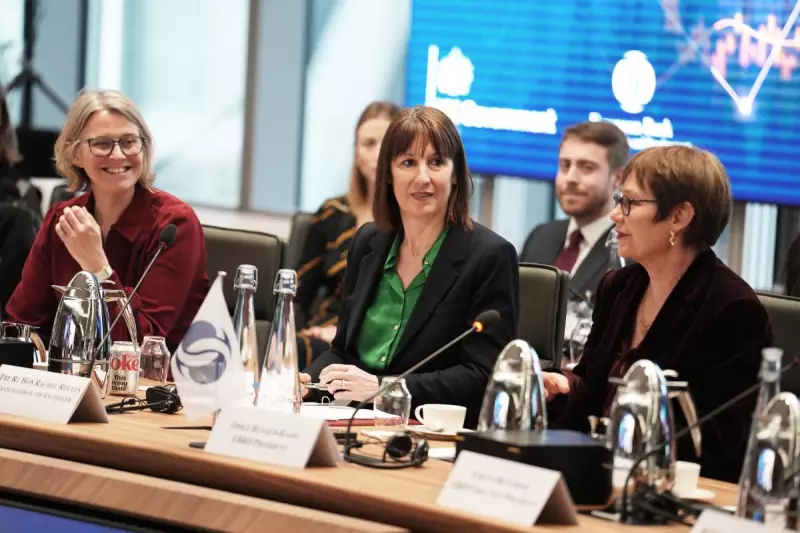
Chancellor Rachel Reeves is set to face tough questions over the UK's economic performance, as official figures this week are expected to show the economy flatlined in November 2025.
Economy Grinds to a Halt
According to a Bloomberg poll of economists, the Office for National Statistics (ONS) will report zero GDP growth for the penultimate month of the year. This stagnation follows a 0.1 per cent contraction in October and is attributed to a combination of a decline in construction, ongoing struggles in manufacturing, and only marginal growth in the vital services sector.
The key factor weighing down business activity was the prolonged uncertainty surrounding the government's Budget, which was scheduled unusually late. For several weeks, speculation over potential tax changes created a climate of hesitation for businesses and investors.
Business Leaders Point to Budget Delay
Chancellor Rachel Reeves is likely to find herself in the firing line from business leaders, who heavily criticised the decision to delay the fiscal statement. Daiwa Capital Markets analysts noted that survey data clearly indicated "Budget uncertainty continued to weigh down on business activity".
The estimate, due for publication on Thursday, does contain a sliver of positive news: avoiding a second consecutive month of decline. However, the lack of positive momentum presents a political challenge for the Labour government.
Mixed Signals for the Final Quarter
Analysts offer a nuanced picture for the final quarter of 2025. Barclays UK economist Jack Meaning suggested moderate growth was still possible, citing a potential pick-up in car manufacturing following Jaguar Land Rover's reopening after a cyberattack-induced pause. He also pointed to a bounce in consumer spending linked to Black Friday and the post-Budget period in late November.
However, Meaning cautioned that this boost appeared short-lived, stating: "The subsequent data suggests this was short-lived and waned quickly through December, again supporting our view of a muted end to 2026 for UK activity."
Meanwhile, Pantheon Macroeconomics highlighted another dampening factor: low attendance in the education sector due to the so-called 'super flu'.
Facing these lacklustre figures, Labour officials are expected to pivot quickly to promoting their economic agenda for 2026. This includes flagship policies like the rollout of new workers' rights via the Employment Rights Bill, which is poised to gain royal assent. Despite growth being their stated top mission, Prime Minister Keir Starmer has also made tackling the cost of living a central pillar of his public messaging.