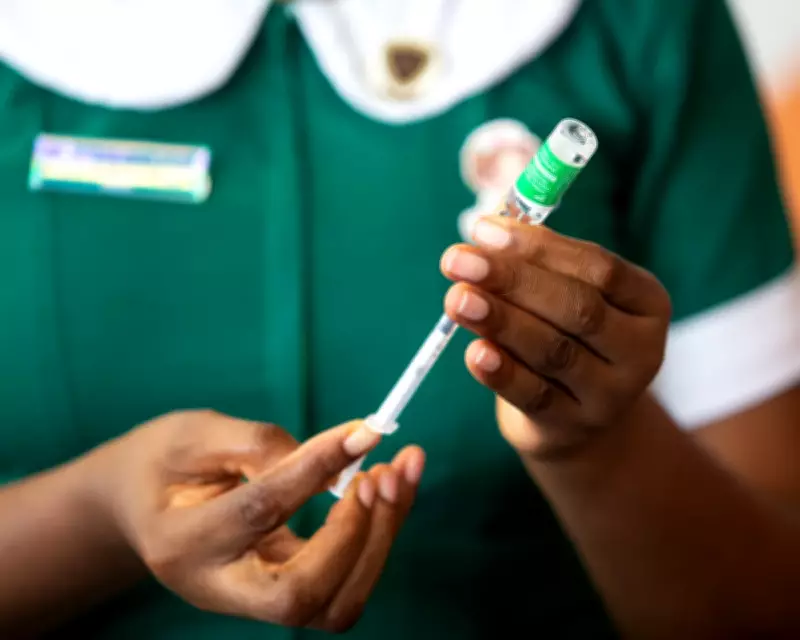
The Covid-19 pandemic inflicted deep and lasting damage on the international political system. Countries in the global south keenly felt the failure of the established order, receiving vaccines later, in smaller numbers, and often at higher prices than wealthy nations. This resulted in avoidable death, suffering, and prolonged economic hardship. Last week, a coalition of these countries expressed their discontent by continuing to block negotiations on the World Health Organization's (WHO) pandemic preparedness treaty, sending a clear message that they will not accept the same status quo when the next crisis arrives.
The Need for a Treaty
An international treaty is sorely needed. However, after five years of deliberation, it is evident that the western backers of this plan, particularly in Europe, have consistently presented it as a fait accompli while avoiding the most fundamental political impasse. In broad terms, countries in the global north want global south states to share information about any new pathogens their scientists encounter, as research indicates the next pandemic is most likely to emerge from their region. In return, those countries have organized to demand that global north states and pharmaceutical companies be required to share treatments, including vaccines, developed from that information—a quid pro quo that western states prefer to keep voluntary.
Vaccine Equity as a Red Line
This technocratic haggling, which appears to be an annex to the main treaty, belies its importance. Vaccine equity is a long-held red line for global south groups. The larger treaty cannot be ratified without agreement on this issue. Europe has been the greatest champion of this process, which ordinarily would be commendable. But shortly after negotiations began in 2021, global health scholars warned that no agreement would be possible without addressing the concerns of the global south. This is entirely reasonable: an international pandemic response must ensure fair access to treatments.

Current Negotiating Position
The current global south negotiating position calls for just 20% of medicines to be earmarked for them, along with technology-sharing to enable their own production. The pharmaceutical industry has opposed this, but that is to be expected. Governments could compel firms to address these demands by coercing or cajoling them through guaranteed profits or other subsidies. If they had no plan to do so, they have been engaging in fantasy negotiations for half a decade.
Consequences of Stalled Talks
Talks are set to continue next year. If they stall again or collapse entirely, the consequences will extend beyond global health. These agreements are the loose bonds that tie countries together in the international system. Europe hoped to take the lead and demonstrate that basic international consensus could still be brokered in a post-pandemic world—that frayed bonds could be reknit. However, each passing year has strained the system further. The US is now negotiating its own global health surveillance system through bilateral agreements outside the WHO.
The Need for Proof of Functioning System
The world needs an agreement to prepare for and respond to the next pandemic. The custodians of the global order must produce proof that the system can still function. Covid-19 prefigured and contributed to our current crises: might makes right and narrow national interest crowded out international cooperation. Avoiding a reckoning with that history suggests that the global north learned little from the Covid years and has no serious plan for the future.