UK government borrowing costs edged higher on Monday as Prime Minister Keir Starmer's speech failed to dispel investor concerns over political instability and rising inflation. The yield on 10-year gilts rose eight basis points to 5%, while 30-year yields climbed 9.3 basis points to 5.67%, nearing last week's 28-year high of 5.78%.
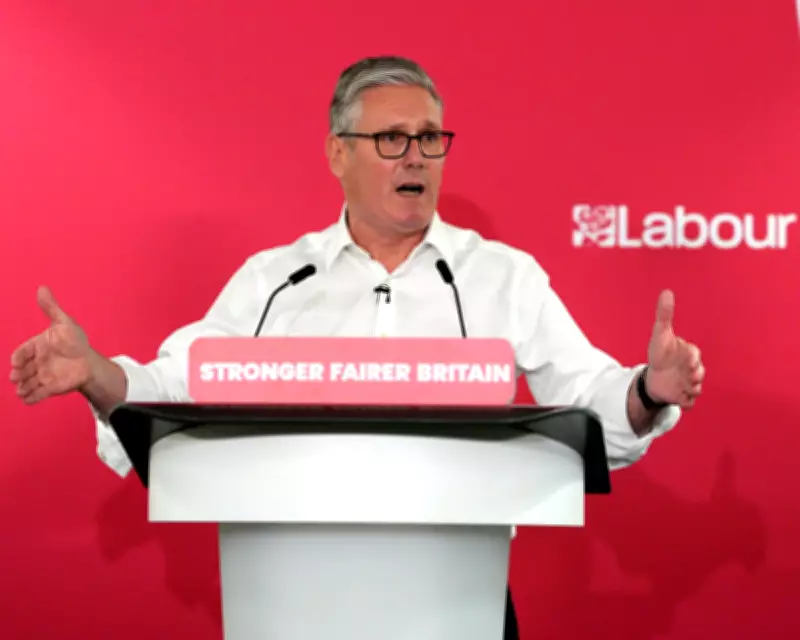
Starmer Vows to Stay Amid Leadership Speculation
In a speech following Labour's poor performance in local and parliamentary elections, Starmer said he would fight any leadership challenge and would not walk away from his responsibilities. However, borrowing costs fell on Friday as election results suggested Labour's losses were less severe than feared, only to erase those gains on Monday.
Susannah Streeter, chief investment strategist at Wealth Club, noted that the speech had not "done the trick of calming bond markets," with jitters persisting due to political instability and inflationary fears from the ongoing conflict in the Middle East.

Impact on Fiscal Headroom
Higher yields increase government borrowing costs, reducing the fiscal headroom Chancellor Rachel Reeves built up after last autumn's budget. Deutsche Bank's Sanjay Raja estimated that over half of the £24bn margin for error may already be eroded by higher yields and weaker growth prospects.
Reeves has sought to reassure bond markets since Labour took office, emphasizing that £1 in every £10 of public spending goes on debt interest. However, investors worry that rising energy prices linked to the Iran war and internal Labour disputes could lead to a credit downgrade.
Potential Successors and Spending Concerns
If Starmer is ousted, possible successors like Angela Rayner and Andy Burnham have hinted at higher public spending, which could loosen fiscal rules. Ruth Gregory of Capital Economics warned that the fragile fiscal position leaves investors on edge for any signs of fiscal loosening.
International factors also weigh on gilts. Oil prices rose after Donald Trump criticized Iran's response to US peace proposals. Gregory noted that most of the recent yield rise stems from energy price jumps rather than political changes, adding that a resolution to the Iran war could lower yields regardless of domestic politics.