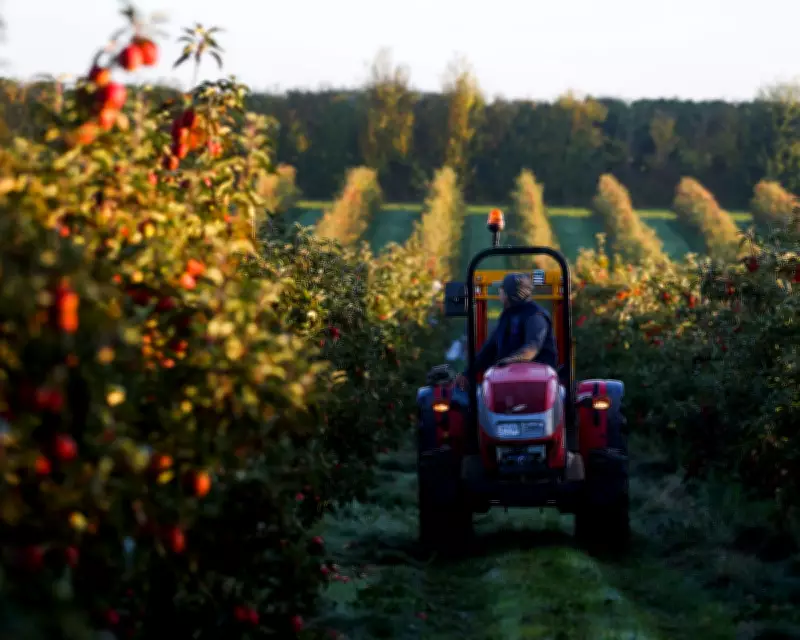
A new report from the Co-operative party argues that agricultural co-operatives could "unleash growth" in the UK and enhance national food security, particularly in the face of global crises such as the Middle East conflict. The policy paper, which has backing from influential Labour MPs including Steve Reed and Jonathan Reynolds, calls for "a shift in perspective, not a doubling down of the status quo." It highlights how co-ops enable farmers to pool resources, share risks, and invest collectively, helping to "reduce exposure to volatile input markets" like fertiliser, fuel, and animal feed.
Current State of Agricultural Co-ops in the UK
There are an estimated 526 agricultural co-operatives in the UK, generating over £9 billion in income. Notable examples include the Arla dairy group and Berry Gardens Growers. In 2019, roughly half of UK farmers were members of some form of co-operative. However, the report notes "significant room for expansion" and suggests that the forthcoming 25-year Farming Roadmap for England presents an opportunity for the Department for Environment, Food and Rural Affairs (Defra) to formalise a commitment to expanding agricultural co-ops.
Labour's Commitment and Import Concerns
Labour's 2024 manifesto included a pledge to "support diverse business models," including doubling the size of the co-operative and mutuals sector. The call for change comes amid rising concerns about food imports. According to HMRC data obtained by the Co-operative Group, meat imports into the UK rose 15% year-on-year in 2025 to £5 billion. Poultry was the most imported protein, worth nearly £2 billion, with Poland and the Netherlands as the largest suppliers. Imports from Thailand surged almost 50% to £23.3 million. Across the national diet, the UK grows only 62% of what it consumes, and imports 83% of its fruit.

Benefits of Co-operative Models
The report states that co-ops "create the conditions for shorter, more resilient supply networks, and for greater retention of value within rural economies." They align economic resilience with democratic ownership. Rising fertiliser and food costs from the Middle East conflict, combined with post-Brexit subsidy changes, export problems, climate-related weather unpredictability, and lower global crop prices, have intensified pressures on farmers.
Joe Fortune, leader of the Co-operative party, said: "Cooperation is a form of strategic resilience. In a world where fertiliser supplies can be disrupted and energy costs can spike overnight, the ability to coordinate, adapt and invest collectively becomes a matter of national strategic importance." Matt O'Hagan, technical director at ESG Drysdale, a co-operative vegetable production company in east Scotland, noted that the structure gives farmers a voice in how produce is sold and valued, building trust and stability. Paul Gerrard from the Co-operative Group added that the model "naturally lends itself to sharing costs and spreading risk," making farming more efficient.