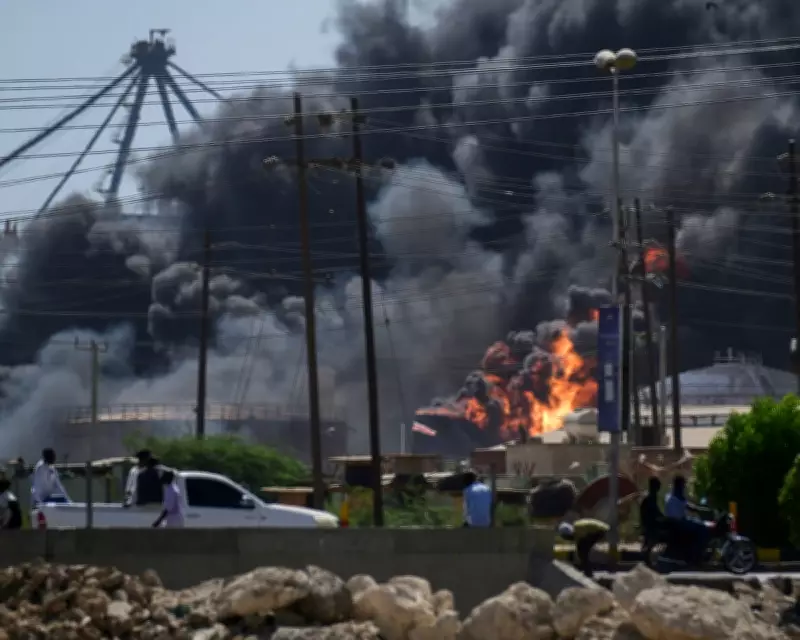
The United Arab Emirates (UAE) is facing increasing scrutiny over its alleged support for the Rapid Support Forces (RSF) in Sudan's civil war, which has been marked by ethnic cleansing and sexual violence. Despite denials, evidence of arms supplies, drone smuggling via Chad, and backing of Colombian mercenaries has emerged.
Recent Developments
In a significant escalation, human rights organization FairSquare has called on the UK Foreign Office to investigate Sheikh Mansour bin Zayed Al Nahyan, deputy prime minister of the UAE and owner of Manchester City, over his alleged role in the UAE's backing of the RSF. The complaint cites abundant evidence from multiple credible sources, including the UN panel of experts on Sudan, that the UAE has been providing weapons and supplies to the RSF since June 2023.
Meanwhile, two US congressmen sent letters to Disney, the NBA, and the NFL, urging them to end associations with the UAE due to its role in abetting genocide and war crimes in Sudan. These actions target the UAE's reputation, which is heavily anchored in Dubai's image as a cosmopolitan safe haven.

Broader Regional Impact
The UAE's regional ambitions have led to destabilization in Yemen, Libya, and elsewhere. Its backing of separatist groups and leaders like Khalifa Haftar aims to secure business-friendly regimes. In Sudan, the UAE covets Red Sea port territory and trade routes, as well as gold resources, much of which ends up in Dubai's gold market.
Despite evidence, the US and UK have avoided directly naming the UAE as a sponsor of the RSF, instead sanctioning RSF leaders and UAE-based companies. Critics argue that financial interests, such as the $500 billion investment in the Trump family's cryptocurrency venture and deep UK-UAE investment partnerships, have prevented meaningful action.
The growing outcry demands that governments acknowledge the UAE's role as an outlaw state, but its economic and political ties continue to shield it from consequences.