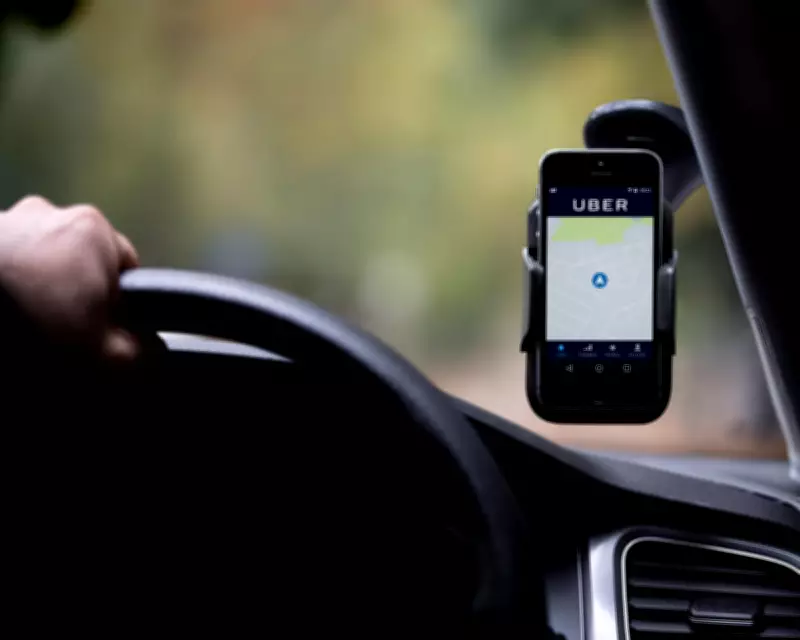
The Trades Union Congress (TUC) has called for a ban on dynamic pricing in gig economy platforms such as Uber, arguing that the practice leaves workers at the mercy of opaque algorithms and undermines fair pay. In a report exposing the human cost of this practice, the TUC said pay was becoming decoupled from time, skill, or effort, turning work into a speculative activity where rewards are determined by an algorithmic process with little transparency.
What is Dynamic Pricing?
Dynamic pricing uses computer-driven algorithms to set variable prices for customers and commission rates for workers, matching real-time supply and demand. Union leaders argue that this replaces fixed rates or transparent tariffs with constantly shifting mechanisms, where the data used to determine rewards is largely obscured.
Impact on Workers
Publishing testimonies from nearly a dozen workers, the TUC found that workers described themselves as “gambling” or “waiting for the jackpot” because pay felt like the outcome of chance rather than effort. The report, compiled with Worker Info Exchange and Nottingham Trent University, called on the UK government to “end” dynamic pay.

Several Uber drivers reported that dynamic pricing negatively affected their incomes, family life, and health. Some said passenger safety could be compromised because intense competition forced them to drive while tired. Many felt their earnings fell below the minimum wage.
Vladimir, a London-based Uber driver since 2016, said: “It’s too unfair. I want to smash my screen. It feels miserable.” He believes his income dropped due to dynamic pricing, adding: “Uber went from 100% transparency to 0% transparency. Everything is ‘flexible’.”
Research Findings
A University of Oxford study last year showed that many Uber drivers earned “substantially less” per hour since dynamic pricing was introduced in 2023. The study, in partnership with Worker Info Exchange, also found that the company took a higher share of fares after the change.
Union Response
Paul Nowak, TUC general secretary, said: “Two drivers doing practically the same job at the same time could be paid wildly different sums determined by an algorithm. This is plainly unfair. It’s exploitation by the algorithm.”
Uber has faced legal challenges over its AI-driven pay systems, organized by Worker Info Exchange, in the UK, Netherlands, and other European countries. Cansu Safak, research lead at Worker Info Exchange, said: “The absence of basic worker rights has allowed dynamic pay to thrive. Drivers have been forced to turn to data protection law and the courts to seek justice.”
Uber’s Response
An Uber spokesperson said drivers choose the company for flexibility, good earnings, and benefits. They noted that Uber offers worker protections, including holiday pay and pension contributions. “Uber has always priced trips based on time, distance, and demand, and drivers see the destination and earnings before accepting. The vast majority of total fares go to drivers, and Uber’s share has remained relatively flat.”
The UK government has been approached for comment.