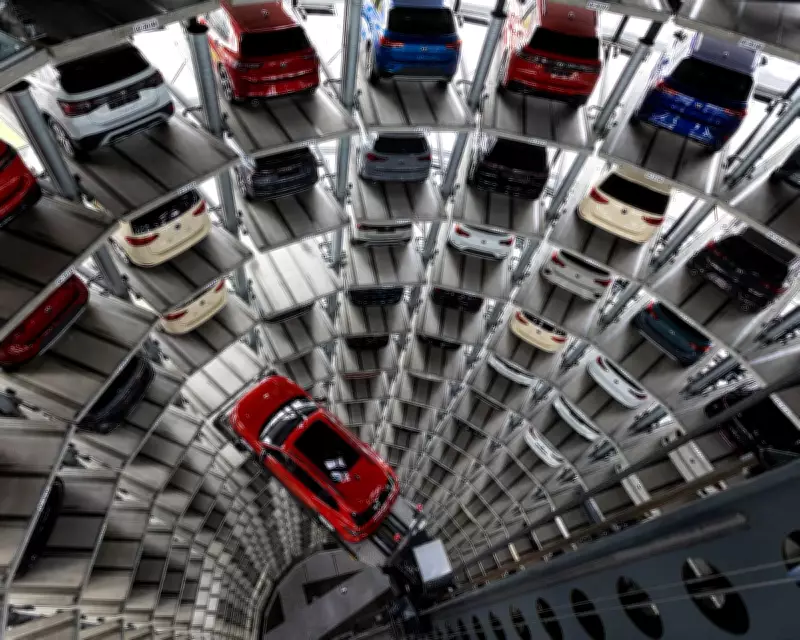
President Donald Trump has announced that he will increase tariffs on cars and lorries imported from the European Union from 15% to 25%, effective next week. In a statement on Truth Social, Trump accused the EU of failing to comply with the trade deal agreed last summer at his golf course in Scotland.
Details of the Tariff Increase
Trump wrote that vehicles made in the US by EU companies would be exempt from the increase. He claimed that many automobile and truck plants are under construction, with $100 billion being invested, and that these plants, staffed by American workers, will open soon. The move blindsided Brussels, as it was announced late on a public holiday in Europe.
EU Response
Bernd Lange, chair of the European Parliament's international trade committee, called the move "unreliable" and said the EU must respond with "utmost clarity and firmness." The European Commission stated it remains committed to last year's deal but will keep its options open to protect EU interests.

Background of the Deal
The original deal, struck in July at Trump's Turnberry resort, reduced tariffs on most EU goods, including cars, to 15%, down from a proposed 50%. In exchange, the EU agreed to purchase $750 billion of US energy and invest $600 billion in the US. However, the deal has not been formally ratified due to delays in the EU's trilogue process.
Political Context
The announcement comes amid broader tensions, including Trump's threats to withdraw US troops from Italy and Spain. It also follows a visit by European Commission Vice-President Maroš Šefčovič to Washington, where he met senior US officials. The European Parliament voted to ratify the deal in March after pausing the process twice earlier this year.
While the 15% tariff deal was ruled illegal by the US Supreme Court, the auto tariff is imposed under separate legislation (Section 232 of the Trade Expansion Act). The EU is expected to launch a diplomatic campaign to salvage the agreement.