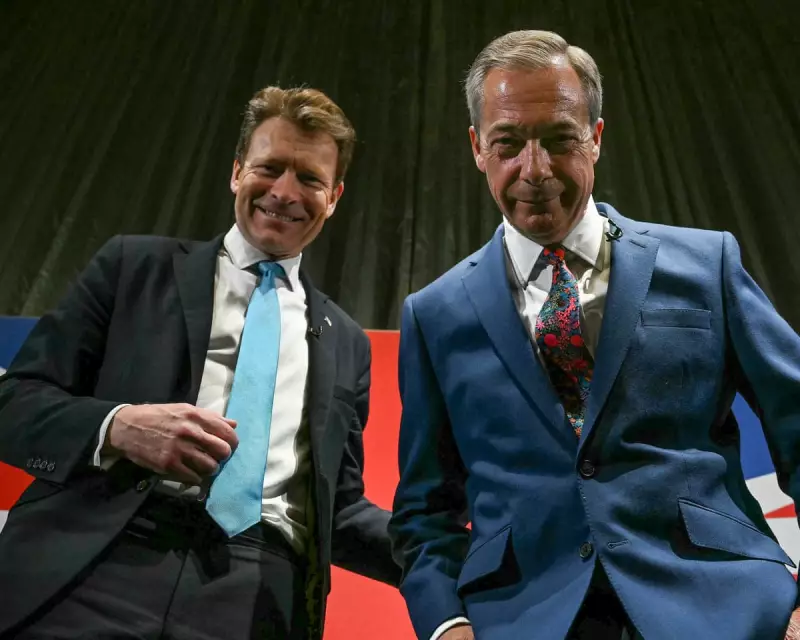
In a striking display of loyalty, Reform UK chairman Richard Tice launched a vehement defence of party leader Nigel Farage on Thursday, dismissing serious historical allegations of racism as fabrications. The intervention, made during a tense interview on BBC Radio 4's Today programme, has sparked controversy and highlighted the complex dynamics within the right-wing party.
A Loyal Lieutenant Goes on the Offensive
The exchange with presenter Emma Barnett began with a discussion on the government's decision to postpone four mayoral elections until 2028, which Tice labelled a 'denial of democracy' and a plot to stop Reform. However, the conversation took a sharp turn when Barnett raised longstanding claims about Farage's past behaviour at Dulwich College.
Barnett referenced allegations, reported by numerous former pupils, that Farage had made jokes about Hitler and gas chambers while at school. 'It's all absolute made-up twaddle,' Tice retorted, without hesitation. He asserted that around twenty former classmates were 'lying through their teeth' solely to discredit the Reform leader. When pressed by Barnett to confirm he was calling the accusers liars, Tice doubled down: 'Yes. It's made-up twaddle.'

This robust defence was notable given Tice's own admission that he never attended school with Farage and did not meet him until much later in life. His comments, legal experts suggest, could potentially expose him to libel action from the individuals he accused of dishonesty.
Farage's Chilly Response and BBC Counter-Attack
Any hope Tice may have harboured for reciprocal solidarity was swiftly dashed later the same day. At a press conference, Farage was asked directly if he backed his deputy's decision to label the Dulwich accusers liars. Farage noticeably declined to endorse Tice's stance, avoiding a statement that could have drawn him into parallel legal jeopardy.
Instead, the Reform leader pivoted to a fierce attack on the BBC and interviewer Emma Barnett, whom he described as 'disgraceful' and 'despicable'. He accused the corporation of double standards, citing historical comedy shows like 'The Black and White Minstrel Show' and 'Till Death Us Do Part' as evidence of the BBC's own problematic past. He concluded by brandishing a supportive letter from another former pupil, which praised Farage as 'one hell of a funny guy' who never said anything nasty.
The Unequal Partnership at Reform's Core
The episode underscores the profoundly asymmetrical relationship between the two politicians. Tice, who was leader of Reform until Farage's dramatic return to frontline politics, was summarily demoted to deputy leader. Political observers often describe him as operating perpetually in Farage's shadow, eager for approval and a significant role in any future Reform administration.
His desperate defence on the Today programme, risking personal legal and reputational damage for a leader who did not return the favour, paints a picture of a 'useful idiot', as the original sketch characterised him. Meanwhile, Farage continues to keep his inner circle guessing, playing potential allies off against one another while maintaining his singular, uncompromising public persona.
The fallout from this incident leaves Tice isolated in his claims and raises further questions about the culture and cohesion within Reform UK as it seeks to capitalise on its electoral gains. For now, the lawyers may be the only clear winners from a day of incendiary claims and fractured loyalties.