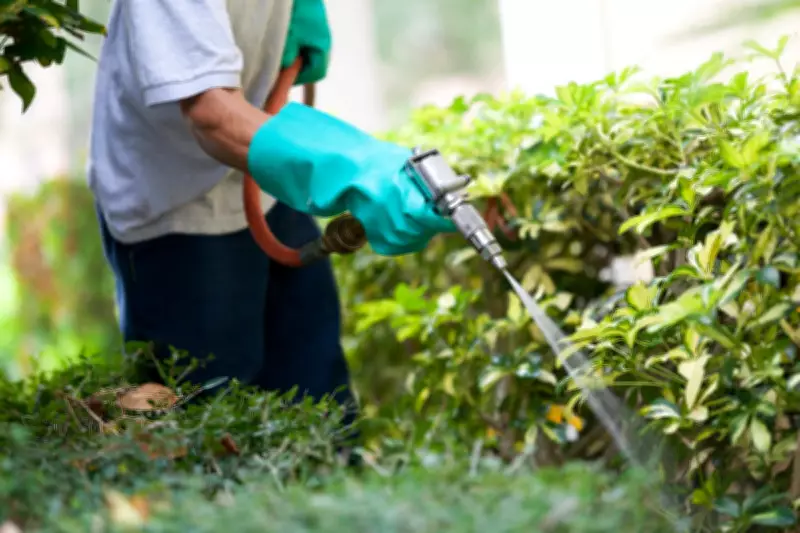
The US Supreme Court is set to hear arguments on Monday in a pivotal pesticide regulation case that could significantly curtail consumers' ability to sue companies for failing to warn about product risks. The case centers on glyphosate, a weed-killing chemical used in the popular Roundup brand and numerous other herbicides.
Glyphosate and Cancer Concerns
Glyphosate has been scientifically linked to cancer in multiple studies. In 2015, the World Health Organization's International Agency for Research on Cancer classified it as a probable human carcinogen. Monsanto, which introduced glyphosate in the 1970s and is now part of German conglomerate Bayer, has faced over 100,000 lawsuits alleging it failed to warn customers about cancer risks.
Legal Arguments
Monsanto maintains its products do not cause cancer. It is asking the Supreme Court to rule that under the Federal Insecticide, Fungicide, and Rodenticide Act (FIFRA), it cannot be held liable for failing to warn of cancer risks if the Environmental Protection Agency (EPA) has not found such a risk exists. The EPA currently states that glyphosate is "unlikely" to be carcinogenic. Bayer hopes a favorable ruling will end the litigation.

Implications for Other Pesticides
Backing Monsanto is Syngenta, a Chinese-owned company facing lawsuits over its paraquat herbicide, linked to Parkinson's disease. Legal experts say a ruling could limit future cases against other pesticide makers. Lawrence Ebner, general counsel for the Atlantic Legal Foundation supporting Monsanto, argues that excessive warnings could mislead consumers. In contrast, Jim Jones, a former EPA assistant administrator, emphasizes the complementary role of states in regulating pesticides.
Former EPA officials have filed an amicus brief opposing Monsanto's position. The case also highlights a divide within the Trump administration, as the solicitor general argues for Monsanto while a "Make America Healthy Again" rally protests the company. Trump issued an executive order in February to protect glyphosate production.
Health advocate Vani Hari, organizing the People v Poison rally, stated: "The Trump administration should know that siding with Bayer over American families is a losing position." This story is co-published with the New Lede, a journalism project of the Environmental Working Group.