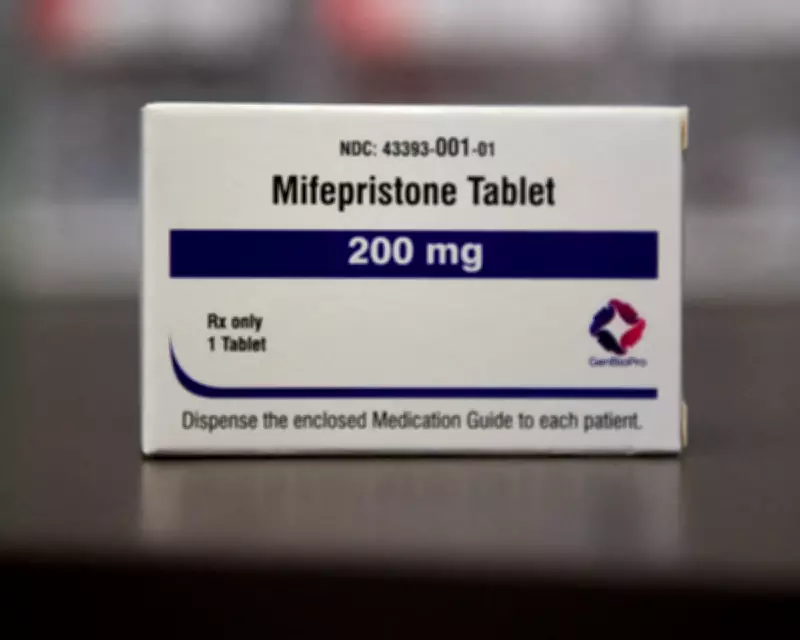
The United States Supreme Court has issued a landmark decision safeguarding access to mifepristone, a key medication used in medication abortions. In a ruling released on Monday, the justices unanimously rejected a challenge that aimed to impose severe restrictions on the drug's availability across the country.
Background of the Case
The case originated from a lawsuit filed by anti-abortion groups and physicians who argued that the Food and Drug Administration (FDA) had improperly approved mifepristone and failed to enforce adequate safety regulations. The plaintiffs sought to revoke or significantly limit the drug's approval, which has been used safely for over two decades.
Lower courts had previously issued conflicting rulings, with some courts ordering the FDA to reinstate stricter dispensing requirements that had been eased in recent years. This created uncertainty for patients and providers, prompting the Supreme Court to intervene.

The Supreme Court's Decision
In a unanimous opinion written by Justice Brett Kavanaugh, the Court held that the plaintiffs lacked legal standing to challenge the FDA's decisions regarding mifepristone. The ruling emphasized that the challengers could not demonstrate a direct injury linked to the drug's availability, as they were neither patients nor prescribers of the medication.
The decision effectively leaves current FDA regulations intact, allowing mifepristone to remain accessible via telehealth prescriptions and mail-order pharmacies. The Court also noted that the FDA's scientific expertise should be respected in matters of drug safety and efficacy.
Reactions to the Ruling
Pro-choice advocates celebrated the decision as a critical victory for reproductive rights. Nancy Northup, president of the Center for Reproductive Rights, stated: "This ruling affirms that politicians and ideologues cannot override scientific evidence to restrict access to safe and effective medication." Planned Parenthood also praised the outcome, highlighting that mifepristone is used in over half of all abortions in the United States.
Anti-abortion groups expressed disappointment but vowed to continue their efforts through other legal avenues. Marjorie Dannenfelser, president of Susan B. Anthony Pro-Life America, said: "While this specific challenge failed, the fight to protect unborn children and women from the dangers of chemical abortion is far from over."
Impact on Abortion Access
The ruling is expected to have significant implications for abortion access nationwide, particularly in states with restrictive abortion laws. Medication abortion using mifepristone and misoprostol has become the most common method of ending early pregnancies, accounting for more than 60% of all abortions in the U.S. as of 2023.
Following the Supreme Court's decision, the FDA's current policies remain in effect, allowing patients to obtain the medication through telehealth consultations and receive it by mail. This has been especially crucial in states where abortion clinics have closed or face severe restrictions.
Legal and Political Context
The case was seen as a major test of the FDA's authority and the broader battle over abortion rights in the post-Roe v. Wade era. Since the Supreme Court overturned Roe in 2022, numerous states have enacted near-total bans on abortion, while others have sought to protect access. The mifepristone challenge was one of several legal efforts to restrict abortion nationwide through judicial means.
Legal experts noted that the Court's decision to rule on standing rather than the merits of the case leaves the door open for future challenges brought by plaintiffs with a more direct stake, such as doctors who claim to have treated patients with complications. However, the FDA's approval process remains robust, and any future challenge would need to overcome significant scientific and legal hurdles.
The Biden administration welcomed the ruling, with White House press secretary Karine Jean-Pierre stating: "Today's decision ensures that women across the country can continue to access safe and effective medication abortion without interference from politically motivated lawsuits."

Conclusion
The Supreme Court's unanimous decision to protect mifepristone access marks a significant moment in the ongoing debate over reproductive rights in America. By rejecting a challenge that sought to undermine FDA authority, the Court has preserved a widely used method of abortion that many women rely on, particularly in states with limited access to clinical services. While the fight over abortion is far from settled, this ruling provides temporary stability for patients and providers, reaffirming the importance of evidence-based regulation in public health.