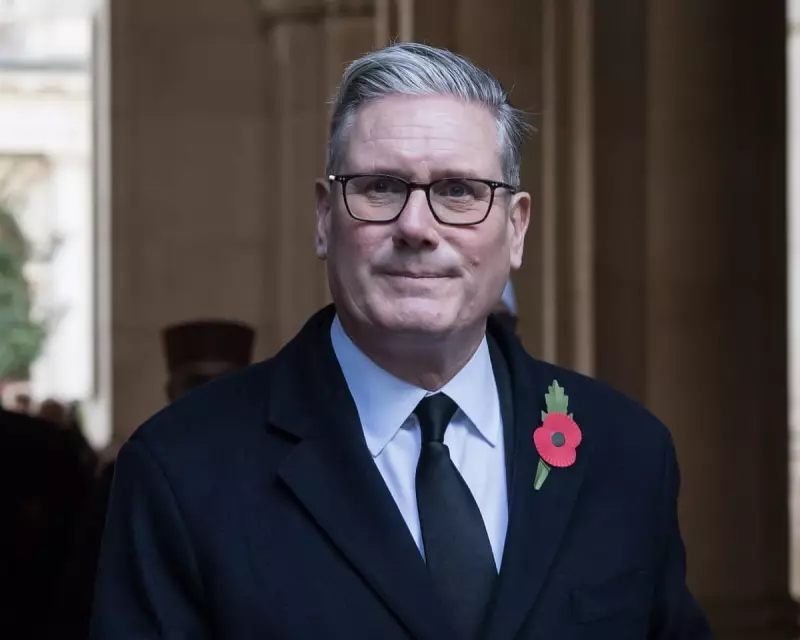
Sir Keir Starmer is facing mounting pressure from within his own party as concerns grow over his leadership style and public visibility. The Labour leader has now gone more than a month without holding a press conference, since his return from India, creating frustration among MPs and party members alike.
Growing Discontent Among Labour MPs
Downing Street operations that once prided themselves on political instinct have been repeatedly caught off-guard by recent developments. The Labour leadership has faced multiple setbacks, including a dramatic plunge in popularity following the winter fuel decision and a catastrophic welfare vote that revealed crumbling loyalty among parliamentary colleagues.
Andy Burnham's open campaign for leadership has added to the tensions, with the former minister making no secret of his ambitions in the lead-up to Labour conference. No 10 now perceives threats from multiple directions and has initiated a dedicated operation to identify potential challengers.

Leadership Challenge Speculation Intensifies
Senior figures within Starmer's team believe a leadership challenge could emerge as early as the budget announcement. Their strategy involves exposing those plotting potential coups and warning MPs about the consequences of such moves, including potential damage to financial markets and relations with the United States.
Health Secretary Wes Streeting is considered the most significant threat to Starmer's position, but several other potential leadership campaigns are actively sounding out support within the Parliamentary Labour Party. Notable figures include Andy Burnham, who maintains hope of succeeding Starmer, alongside Bridget Phillipson, Shabana Mahmood, and even Deputy Leader Angela Rayner.
Inconsistent Strategy and Broken Promises
Senior Downing Street figures acknowledge their approach to addressing unpopularity has lacked consistency. While Starmer managed to reassure some MPs with his conference speech, which featured a passionate denunciation of racism and division, many promised changes in approach have failed to last more than a week.
Party strategists have repeatedly briefed that Starmer would become more publicly visible, take more questions from the public, and travel the country more extensively. However, these commitments have largely failed to materialise. Between party conference and the upcoming budget, Starmer will have left the country three times, while his party has been notably less visible in press engagements than rivals.
The Reform party has held at least five press conferences during the same period that Starmer has held none. Allies of the Labour leader remain convinced that their positive messages about Starmer's achievements aren't breaking through to the public.
Loyalty Erosion and Regime Change Considerations
Many Labour MPs selected as "high-quality candidates" were chosen precisely because they mirrored Starmer's own qualities: ambitious, thoughtful, with careers outside politics, and loyal to the project of a centrist Labour government. However, that loyalty has never extended to Starmer personally, as the leader has made little effort to cultivate personal allegiances.
The significant development is that many of these MPs now show appetite for regime change. Most didn't enter politics to stage coups but have been driven to consider drastic action by the party's poor standing in polls and their own precarious majorities. As one Labour MP succinctly put it: "They could try not being paranoid and just try being better."
The situation remains fluid, with the potential for rapid escalation depending on poll numbers and the government's budget decisions. What's clear is that Starmer's prolonged absence from direct public engagement has created a vacuum that potential challengers are increasingly willing to fill.