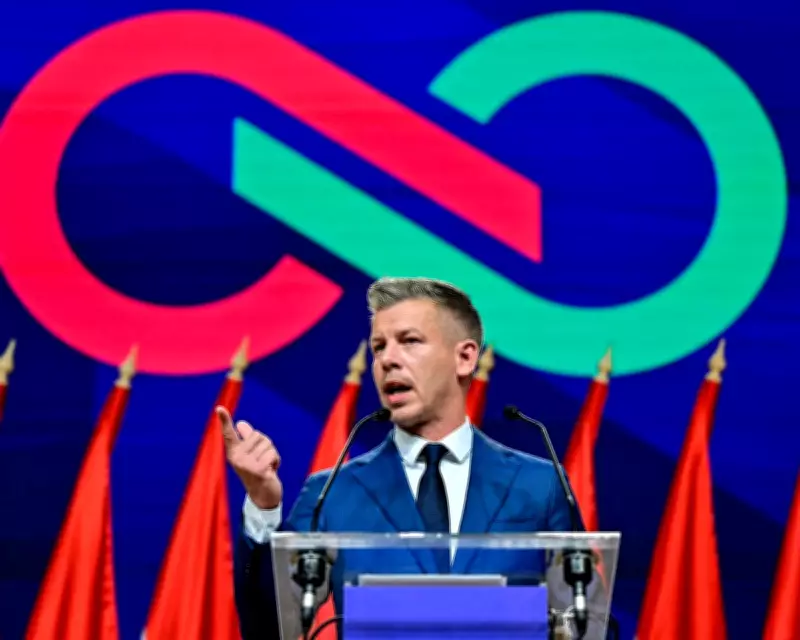
Peter Magyar, a prominent Hungarian opposition figure, has unveiled a comprehensive progressive platform that prioritizes climate action and LGBTQ rights, setting the stage for a significant political challenge to the ruling government. In a recent address, Magyar emphasized the urgent need for Hungary to adopt more ambitious environmental policies, including a transition to renewable energy sources and stricter emissions targets. He argued that the current administration's approach to climate change is insufficient and that Hungary must align with broader European Union goals to ensure a sustainable future.
Climate Policy Proposals
Magyar's climate agenda includes a commitment to achieving carbon neutrality by 2050, with intermediate targets for 2030 and 2040. He proposes investing heavily in solar and wind energy, as well as modernizing the country's grid infrastructure. Additionally, he calls for phasing out coal-fired power plants by 2035 and implementing a carbon tax to incentivize green investments. These measures, he claims, would not only combat climate change but also create thousands of new jobs in the green economy.
LGBTQ Rights and Social Equality
On social issues, Magyar has positioned himself as a staunch advocate for LGBTQ rights, promising to repeal laws that discriminate against the community. He specifically targets legislation that restricts the portrayal of homosexuality in media and education, arguing that such laws foster intolerance. His platform includes legalizing same-sex marriage and adoption, as well as strengthening anti-discrimination protections in employment and housing. Magyar asserts that a progressive Hungary must be inclusive and respectful of all citizens, regardless of sexual orientation or gender identity.

Magyar's proposals have garnered support from various civil society groups and international observers, who see his platform as a necessary corrective to the conservative drift under the current government. However, he faces significant opposition from the ruling party, which has built its political identity on traditional values and national sovereignty. The upcoming elections are expected to be fiercely contested, with Magyar's progressive vision offering a clear alternative to the status quo.
In conclusion, Peter Magyar's ambitious agenda represents a bold attempt to reshape Hungarian politics around climate action and social justice. Whether these proposals will resonate with voters remains to be seen, but they have already sparked a national conversation about the country's future direction.