Allentown, Pennsylvania, often serves as a symbol of working-class struggles, with its history of industrial decline and a casino replacing a steel mill. This week, the Lehigh Valley could determine the future of the Democratic Party as voters head to the polls in Pennsylvania's seventh congressional district, one of the most competitive in the nation.
The Stakes of the Primary
In the last election, only one percentage point separated Democrat Susan Wild and Republican Ryan Mackenzie, with just over 4,000 votes deciding the outcome. The Democratic primary has drawn national attention, posing a critical question: will Democrats embrace blue-collar populism or continue with insider candidates?
The Establishment Candidates
Three establishment candidates are vying for the nomination. Lamont McClure Jr., a lawyer and former Northampton County executive, emphasizes his elected experience. Carol Obando-Derstine, a renewable-energy engineer turned nonprofit executive, highlights her government and nonprofit leadership. Ryan Crosswell, another lawyer and former federal prosecutor, runs on an anti-corruption platform. These candidates represent the professional class that often appeals to wealthier, educated primary voters but struggles to win working-class support in general elections.

The Populist Challenger: Bob Brooks
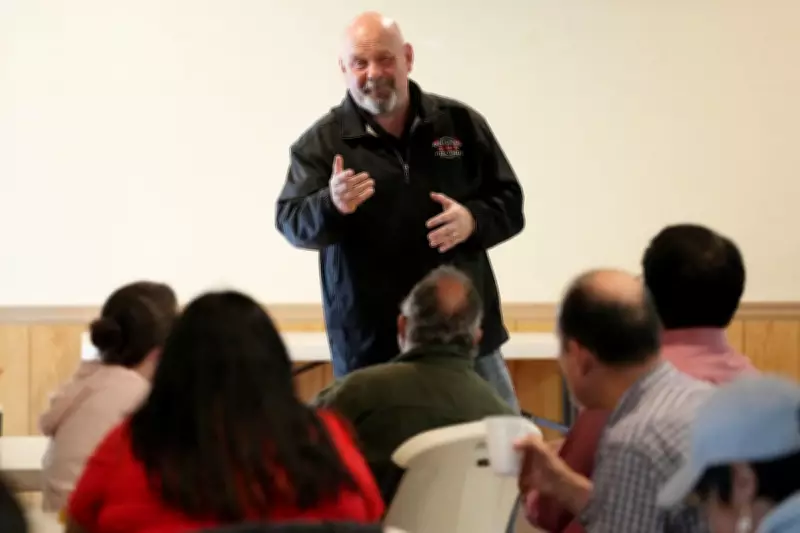
Bob Brooks offers a stark contrast. A veteran firefighter and head of the statewide firefighters union, Brooks lacks a college degree but connects with working-class voters through plain language and a populist message. He criticizes the Democratic Party as the "party of elites" and advocates for Medicare for All, repealing Citizens United, banning congressional stock trading, raising the minimum wage, and investing in infrastructure. His endorsements span from progressive figures like Bernie Sanders to moderates like the Blue Dog PAC, signaling broad appeal.
Why This Primary Matters
Only 33% of voters in the district have a college degree, and many work in manufacturing, warehousing, or construction. Working-class voters tend to prefer blue-collar candidates like Brooks, who speak to their economic challenges. Brooks also focuses on winning back blue-collar MAGA voters rather than alienating them, a strategy that could flip the district. Republicans are already spending heavily to influence the race, indicating Brooks is a genuine threat.
Dustin Guastella, a research associate at the Center for Working Class Politics, notes that Brooks embodies the populist energy that has fueled victories elsewhere, such as Brian Poindexter in Ohio and Dan Osborn in Nebraska. The primary outcome will signal whether Democrats are ready to shift toward a working-class-focused agenda.