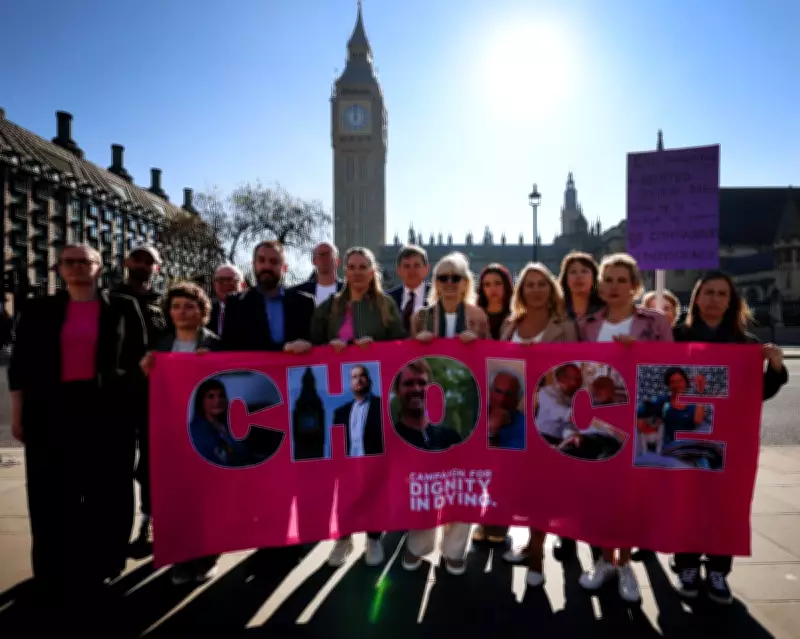
Campaigners are urging parliament to heed public opinion on assisted dying, as a new poll reveals that 75% of Britons support legalisation with strict safeguards. The survey, conducted by YouGov, found overwhelming backing across all age groups and political affiliations, with only 10% opposed.
Public Support for Assisted Dying
The poll shows that support for assisted dying has remained consistently high over the past decade. Among those aged 18-24, support stands at 78%, while 72% of over-65s also back the change. The data underscores a clear mandate for legislative action, according to campaign group Dignity in Dying.
Campaigners Call for Action
Sarah Wootton, chief executive of Dignity in Dying, said: “The public has spoken clearly and consistently. It is time for MPs to listen and act. We need a law that gives terminally ill adults the choice to end their suffering, with robust safeguards to protect the vulnerable.”

The campaigners argue that the current blanket ban forces people to suffer unnecessarily or seek dangerous alternatives abroad. They point to jurisdictions like Oregon and Canada, where assisted dying has been legal for years with no evidence of abuse.
Opposition and Concerns
However, opponents, including some disability rights groups and religious organisations, warn that legalisation could pressure vulnerable people to end their lives. Dr. Gordon Macdonald, chief executive of Care Not Killing, said: “The focus should be on improving palliative care, not on changing the law. We must protect those who feel they are a burden.”
The debate is expected to intensify as a private member’s bill on assisted dying is set for debate in the House of Commons later this year. The bill, introduced by Labour MP Kim Leadbeater, would allow terminally ill adults with a prognosis of six months or less to request medical assistance to die, subject to approval by two doctors and a High Court judge.
Political Implications
The issue cuts across party lines, with many MPs facing a conflict between personal beliefs and constituency opinion. A recent survey of MPs found that 55% personally support a change in the law, but the figure rises to 70% among those who have received representations from constituents.
Political analysts suggest that the growing public support may shift the dynamic, making it harder for MPs to vote against the bill. However, the government has indicated it will allow a free vote, meaning MPs will not be whipped.
Next Steps
The bill is expected to have its second reading in the autumn. If passed, it would mark a significant shift in UK law, which currently prohibits assisted dying under the Suicide Act 1961. Campaigners are hopeful that the strength of public opinion will finally persuade parliament to act.
As the debate continues, both sides are mobilising supporters. Dignity in Dying has launched a nationwide campaign to encourage constituents to write to their MPs, while Care Not Killing is organising events to highlight the risks. The outcome remains uncertain, but one thing is clear: the public has made its views known.