I was 15 and sitting at the bar in a pub when I first drank an alcopop – Apple Hooch, to be precise. It was the 90s and underage drinking was far less regulated. If you had boobs, eyebrows plucked into oblivion and Heather Shimmer on your lips, getting served in a pub wasn't exactly difficult.
So when I heard that people were panicking about 99, a new shot-size product from the makers of BuzzBallz, and how it could encourage children to drink alcohol, I didn't join in the outrage, I simply shrugged.
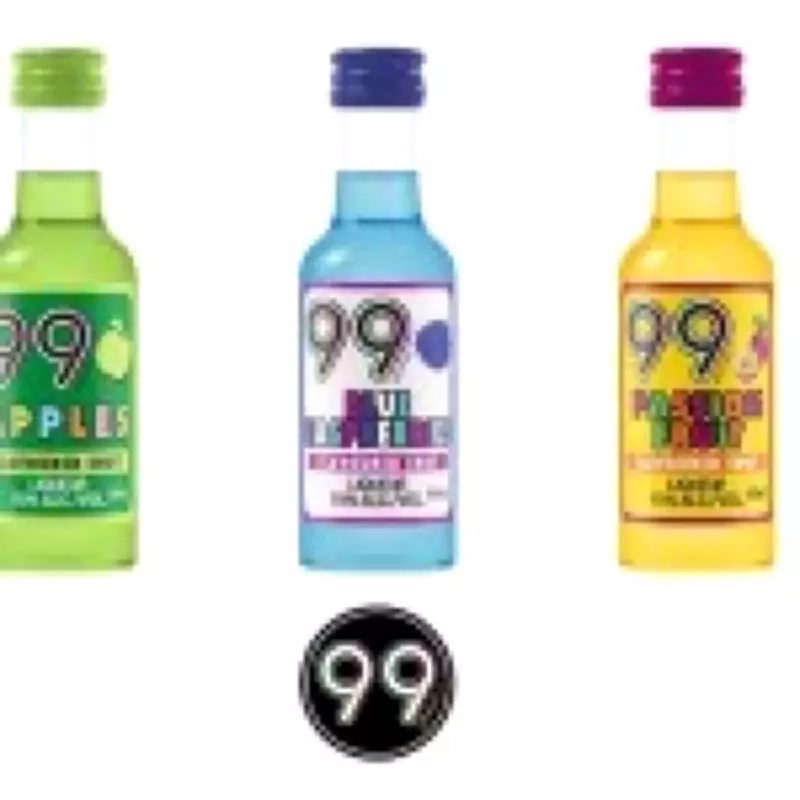
The 50ml alcopop drink, costing 99p, has led some parents to worry their kids will spend their pocket money on the liqueur. But I want them to get a sense of perspective. And a better memory. Because if this coloured, sweet, affordable alcohol had existed when I was young, I would have been all over it.

However, in those days, younger me – and all my friends – just wanted alcohol, full stop. Aesthetics didn't come into it. If it wasn't an alcopop, it was a pint of snakebite and black, or, in my case, Carling lager.
Teenagers have historically drunk whatever they could get hold of. In the 90s, it was alcopops and white cider – or a concoction from what was in your parents' drinks cabinet. In the 2000s it was vodka mixed with cheap lemonade in water bottles. Students still routinely consume fluorescent drinks that look medically inadvisable. Underage drinking existed long before this latest alcopops innovation, and it will continue long after whatever the next trend happens to be.
I think that's the part missing from some of the handwringing around these new drinks like BuzzBallz and these shots. The concern itself is understandable. Nobody sensible thinks underage drinking is harmless, and I truly believe alcohol companies should be scrutinised more over how they market their products. But there's a difference between saying a product is intended to be visually appealing to young people and saying it is responsible for creating youth drinking culture.
Critics of the 99 have pointed to the bright colours, sweet-shop flavours and social media-friendly branding as evidence that these products are designed to appeal to teenagers. And it's true that there has already been a literal buzz around them on TikTok – the kind of hype that can make almost anything seem a 'must-have'. That, arguably, is where the real concern about underage drinking now lies. Not just what teens are seeing on the supermarket shelves, but what's being amplified online and shared about between friends.
Walk down any supermarket alcohol aisle and you'll find glittery gin liqueurs, rhubarb-and-custard cider and mango margaritas in pastel packaging. And if brightly coloured packaging and a pun name alone is evidence of a malicious intent to be appealing to children, someone might want to have a word with the hipster craft beer industry. Adult drinking culture has become increasingly sweet, colourful and aesthetically motivated because adults themselves now buy products this way. Millennials and Gen Z grew up in a visual consumer culture where nostalgia and novelty sell everything from trainers to breakfast cereal. Alcohol brands are simply following the wider market.
This week, Tango also launched alcoholic ready-to-drink cans in partnership with AU Vodka – bringing a new meaning to the 'You've Been Tangoed' strapline of the 90s. It's just another nostalgia-heavy brand collaboration aimed squarely at adults; an ironic throwback to those of us who remember the alcopop era first time round.
People in their thirties and forties who once necked pineapple Bacardi Breezers in pub gardens now buy canned passionfruit martinis after work because adulthood has become exhausting and, frankly, they are convenient. Sometimes I think there's an uncomfortable tendency to assume anything unserious or sugary cannot possibly be intended for adults. As though adulthood must only be expressed through red wine and small batch beer.

But adults like novelty too. Adults like sweet things. Adults also enjoy drinks that photograph well on social media and don't come with a minimalist label. I'm not saying that brands should get a free pass. There should be strict rules around advertising alcohol to minors, around influencer marketing, around where products are placed in shops and how they are promoted online. But blaming one particularly bright, spherical drink for youth drinking habits feels a bit harsh. If anything, we should spend more time looking at adult drinking culture itself.
Britain has long had a contradictory relationship with alcohol. We joke about wine o'clock, normalise binge drinking in adulthood and treat heavy drinking as both a personality trait and a coping mechanism. A teenager is unlikely to start drinking purely because they spotted colourful cocktail packaging. They are far more likely to drink because alcohol is already embedded into social life, family behaviour, celebrations, stress relief and popular culture.
If we genuinely want young people to have a healthier relationship with alcohol, teaching them about it properly – the risks, the pressures, the realities of drinking too much – gives them a framework to make better decisions. Teens are always going to encounter alcohol, whether that's through social media, older siblings, parties, or simply watching the adults in their lives. Pretending that brightly coloured drinks don't exist won't change that.