The Australia Palestine Advocacy Network (Apan) has been refused leave to appear before the royal commission into antisemitism and social cohesion, prompting concerns that Palestinian voices are being sidelined from the national debate.
Exclusion from Hearings
Apan, the peak body for Palestinians in Australia, made detailed submissions on antisemitism, racism, and social cohesion but was told it lacked a 'direct and substantial' interest in the public hearings currently underway in Sydney. The network expressed deep concern that the inquiry would rely heavily on submissions equating criticism of Israel with hatred of Jewish people.
Concerns Over Definition of Antisemitism
In its 259-page submission, Apan argued that antisemitism is often conflated with anti-Zionism, which delegitimises criticism of Israeli policies. 'The definition of antisemitism is distorted and weaponised in attempts to silence those who criticise Israel,' the network stated. Experts including professors Ilan Pappe, Shaul Magid, and Noura Erakat contributed to the submission.

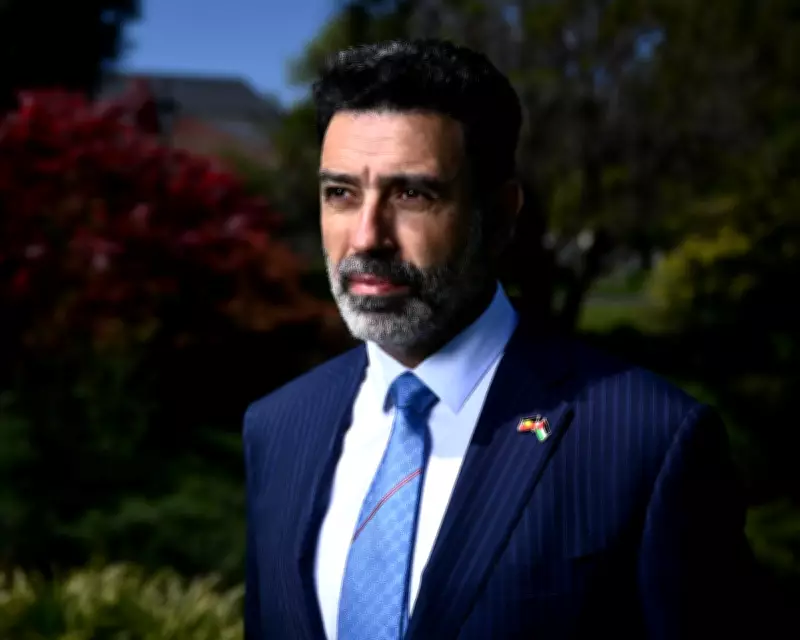
Apan president Nasser Mashni emphasised the importance of democratic access: 'Excluding our voices at a time when Palestinians face a surge in racism sends a devastating message about who belongs and whose suffering counts.' He added that criticism of Israeli government policies should not be equated with antisemitism.
Commission's Response
The royal commission confirmed that Apan's application to appear was not granted, stating that applications are considered on a case-by-case basis. Apan will have the opportunity to respond in writing after the first hearing block. The commission's first block focuses on defining antisemitism and its impact on Jewish Australians.
Meanwhile, Julie Nathan from the Executive Council of Australian Jewry told the commission that criticism of Israel is not inherently antisemitic, though it can be offensive. The second hearing block, starting 25 May, will examine the Bondi Beach terror attack.