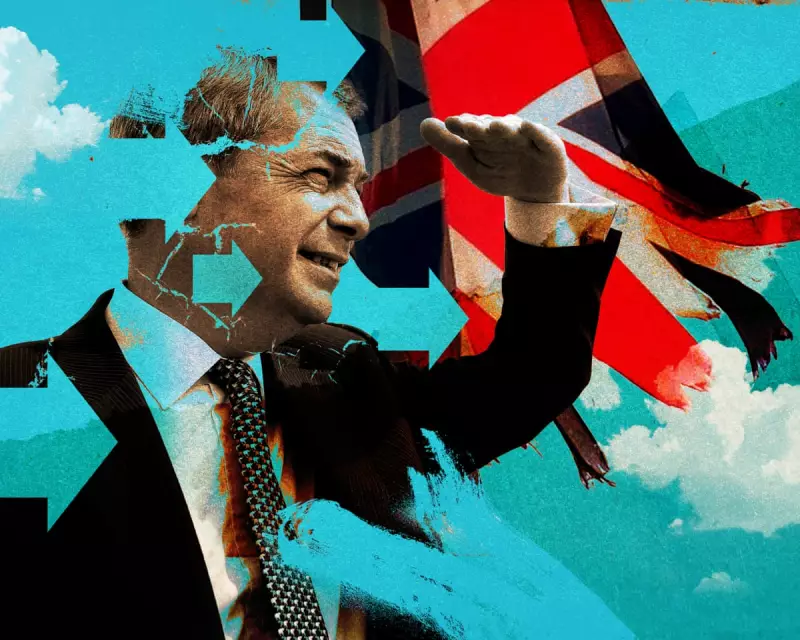
In a remarkable political turnaround, Nigel Farage has led his Reform UK party back to the forefront of British politics in 2025. After a period of relative quiet, the party has re-emerged with significant force, capitalising on public discontent and a shifting political climate to challenge both the Conservative and Labour establishments.
The Strategy Behind the Comeback
The resurgence was not accidental. Nigel Farage and his team executed a calculated strategy, focusing on core issues that resonated with a segment of the electorate feeling overlooked. They targeted constituencies where traditional party loyalties had weakened, presenting Reform UK as a genuine alternative. The campaign leveraged Farage's established persona as a political outsider, combined with a sharp, media-savvy approach to communication.
Central to their message was a critique of the current government's policies, particularly on issues like immigration and economic management. By framing these topics in stark, simple terms, Reform UK managed to cut through the noise of mainstream political debate. Their platform promised a fundamental "reform" of the political system, a message that found fertile ground among voters disillusioned with the status quo.

Capitalising on a Shifting Political Landscape
The political environment in 2025 proved uniquely susceptible to Reform UK's appeal. Widespread frustration over ongoing economic pressures and a perception of ineffective governance from the major parties created an opening. Farage's party positioned itself not merely as another option, but as the vehicle for a protest vote with substantive policy behind it.
This period saw the party attracting not only its traditional base but also drawing support from former Conservative voters and some who had previously abstained. The 2025 political landscape was characterised by volatility, and Reform UK adeptly navigated these currents. Their presence in the media was constant, ensuring that their critiques and proposals remained part of the daily national conversation.
Implications for the Future of UK Politics
The impact of Reform UK's 2025 comeback extends far beyond a single election cycle. It has fundamentally altered the dynamics of British politics. The established parties are now forced to contend with a persistent and vocal force on their flank, one that can siphon off votes and influence the political agenda.
This resurgence signals a potential long-term fragmentation of the vote, challenging the traditional two-party dominance. It raises questions about future electoral strategies and coalition-building. The Reform UK political comeback of 2025 serves as a stark reminder that in an era of discontent, political fortunes can change rapidly, and movements built around strong personalities and clear, disruptive messages can regain centre stage with dramatic effect.
The party's renewed influence means that the issues it champions will likely receive greater attention in Westminster, potentially pulling the overall political discourse in a new direction. As the UK moves forward, the shadow of Farage's latest campaign will loom large, shaping policy debates and electoral calculations for years to come.