The government's proposed prohibition on sales of zero-percent alcohol drinks to individuals under eighteen years old represents a deeply patronising approach to policymaking. As a teetotaller and university student, I find this development particularly troubling. Young adults like myself are perfectly capable of making healthy lifestyle choices without governmental hand-holding, yet Labour appears determined to treat us as fragile children rather than responsible citizens.
The Patronising Premise of the Proposed Ban
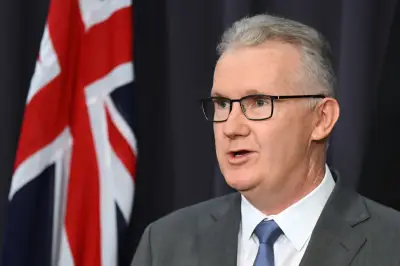
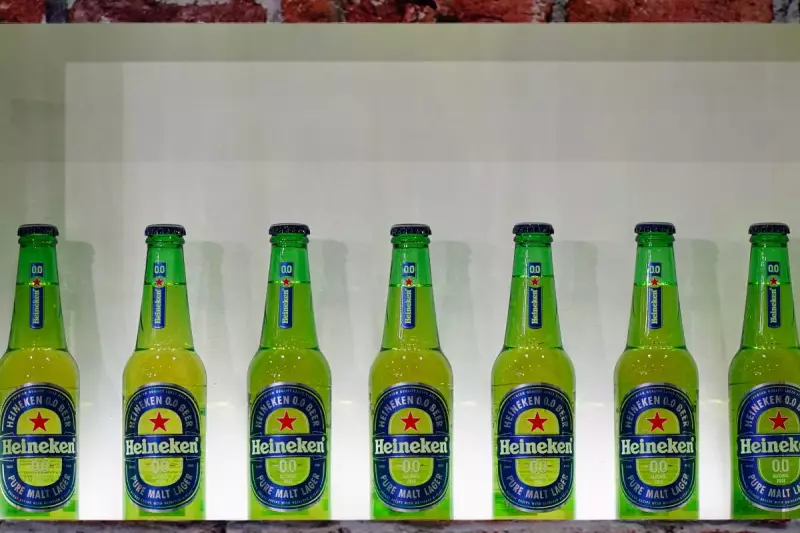
Health Minister Ashley Dalton has suggested that my generation requires protection from alcohol-free beverages, claiming these products might serve as a gateway to actual alcoholism. This logic fundamentally misunderstands both the nature of these drinks and the character of contemporary youth. Legally recognised adults who can join the military, enter marriage contracts, and contribute taxes through employment are suddenly deemed incapable of handling a can of alcohol-free cider or bottle of Peroni 0.0.
The government's justification centres on what they describe as a "slippery slope" argument - that the mere flavour of beer could potentially lead young people toward binge-drinking behaviours. This perspective not only insults our intelligence but contradicts established evidence about Generation Z's drinking habits. We are witnessing the most sober youth cohort in decades, with record-breaking sales of alcohol-free alternatives demonstrating conscious lifestyle choices rather than government-mandated behaviour.

The Contradiction in Contemporary Policy
There exists a strange paradox at the heart of current British policymaking. While discussions continue about potentially lowering the voting age to sixteen, simultaneously there are moves to restrict sixteen- and seventeen-year-olds from purchasing completely non-intoxicating beverages. This creates a confusing message about maturity and responsibility. How can young people be trusted with shaping the country's political future through voting, yet not permitted to choose a harmless drink at a social gathering?
The comparison to other consumer products highlights the absurdity of this position. Alcohol-free beer represents no more of a gateway to alcoholism than vegetarian burgers lead to meat consumption or decaffeinated coffee creates caffeine addiction. The government's approach suggests a fundamental misunderstanding of both addiction mechanisms and youth decision-making processes.
The Practical Consequences of Restriction
Banning zero-alcohol drinks creates several practical problems that policymakers seem to have overlooked. For teetotallers and those choosing sober lifestyles, these products provide crucial social inclusion opportunities. They allow participation in pub culture without pressure to consume alcohol, effectively normalising non-drinking behaviour in social settings. Removing this option likely pushes young people toward either high-sugar soft drinks or, paradoxically, toward actual alcoholic beverages.
This policy also undermines British pubs during an already challenging economic period. Alcohol-free options represent a growing market segment that helps sustain these community establishments. By restricting access to these products, the government potentially damages both social cohesion and local businesses without achieving any meaningful public health benefit.
Learning from European Approaches
Looking toward our European neighbours reveals more effective approaches to alcohol education. Mediterranean countries, where alcohol carries less social stigma and is introduced responsibly at younger ages, consistently demonstrate lower levels of youth binge drinking than Britain. Rather than adopting these successful models, the government appears determined to reinforce alcohol's status as a "forbidden fruit," potentially increasing its appeal through prohibition psychology.
The message being sent is particularly damaging: socialising becomes a binary choice between drinking alcohol or staying home. Zero-percent drinks provide that essential middle ground that facilitates inclusion while supporting healthy choices. By eliminating this option, policymakers effectively tell young people they cannot be trusted with even the most basic consumer decisions.

The Broader Implications for Youth Agency
This proposed ban represents more than just a restriction on beverage choices; it reflects a troubling attitude toward youth autonomy. According to the Nanny State Index, Britain already ranks as the seventh least-free country in Europe due to excessive regulations and high taxes controlling personal lifestyle choices. This additional restriction further entrenches a pattern of stunted adulthood, where "safety" concerns override basic freedoms and personal responsibility.
We've witnessed similar paternalistic approaches in other areas, from social media restrictions to university society limitations. At Bristol University, administrators recently used "safeguarding" arguments to override democratic student votes regarding club memberships. This pattern suggests a systemic reluctance to trust young people with decision-making, despite expecting them to contribute to society through work, taxes, and soon potentially through voting.
The government's position creates an impossible contradiction: they want young people's votes, taxes, and labour, yet refuse to acknowledge their capacity for responsible choice. This disconnect between expectations and trust fundamentally undermines the social contract between citizens and the state.
A Call for Reasonable Policy
It's time for the state to reconsider this heavy-handed approach. Rather than implementing blanket bans based on flawed assumptions, policymakers should engage with young people directly to understand their perspectives and choices. Generation Z has demonstrated remarkable responsibility regarding alcohol consumption, with declining rates of binge drinking and increasing preference for healthier alternatives.
The proposed ban on alcohol-free drinks represents misguided paternalism that will achieve little beyond alienating young voters and restricting reasonable consumer choices. Instead of treating sixteen- and seventeen-year-olds as children requiring constant supervision, the government should recognise their growing maturity and capacity for informed decision-making. The state's role should be education and support rather than prohibition and distrust.
As we move forward, it's crucial that policymakers abandon this babysitter mentality and start treating young people as the capable, responsible individuals they are becoming. The alternative - increasingly restrictive regulations based on underestimation of youth judgment - serves neither public health nor social cohesion. Britain's young people deserve better than this condescending approach to governance.