Sixteen months after securing a commanding parliamentary majority, Keir Starmer's Labour government finds itself in turbulent waters. Support has plummeted to just 18% in recent polls, putting the party a worrying 15 points behind Reform UK. According to polling expert Professor John Curtice, this represents the worst-ever fall in support for a newly elected government in British political history.
A Government Beset by Challenges
The Labour administration has faced what columnist Polly Toynbee describes as an 'omnishambles week', though Britain's political turmoil reflects broader European trends. Multiple countries including Germany, Italy, Poland and Sweden have thrown out old governments in recent years, with most nations grappling with post-2008 economic stagnation, pandemic fallout, inflation spikes, and worsening housing crises.
Labour inherited particularly challenging circumstances, including uncosted Treasury promises from the previous chancellor and Brexit damage that proved worse than anticipated. The Ministry of Justice faced embarrassment when prisons accidentally freed criminals, while international pressures from the Trump administration added to the government's woes.

Budget U-turns and Leadership Speculation
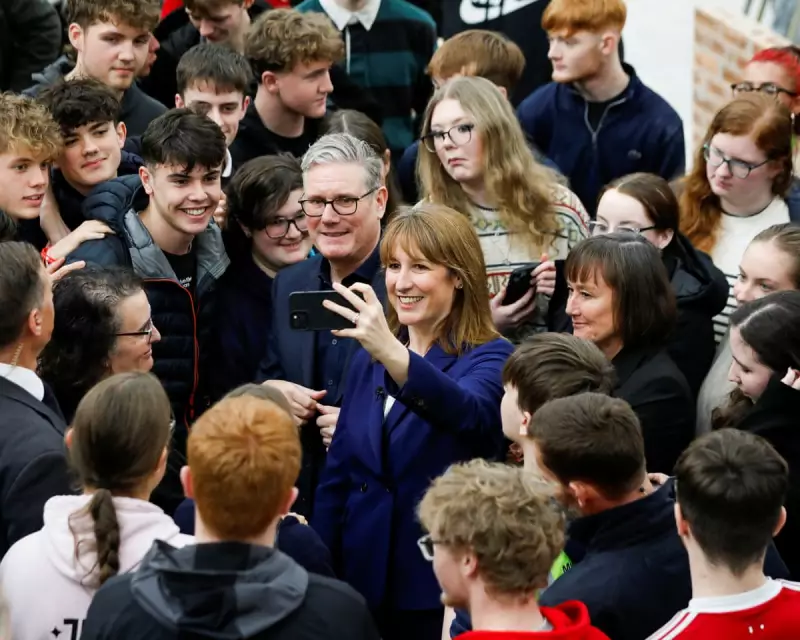
Recent weeks have seen prolonged pre-budget chaos, with Treasury officials floating numerous potential tax increases only to hastily deny them later. Chancellor Rachel Reeves initially made what many considered a brave move, proposing to increase income tax by 2p while cutting national insurance by 2p. This would have protected workers while raising revenue from pensioners, landlords and those with unearned incomes.
However, she quickly performed a political U-turn after apparent pressure from Downing Street and public objections from MPs including Lucy Powell and Wes Streeting about breaking manifesto commitments. This reversal has damaged the government's reputation for gravitas and ignited leadership speculation that had previously only simmered.
Political commentators now question whether Starmer can survive four years, with discussions turning to potential successors and timing. Some suggest a challenge might come after next week's budget, while others point to potentially disastrous local elections in May.
Unheralded Achievements and Future Challenges
Despite the political headwinds, the government has compiled what Toynbee calls 'quite an impressive list' of achievements that should please natural Labour supporters. Recent legislation includes the Renters' Rights Act ending no-fault evictions from next year, potentially life-changing for the 34% of private rental households that include children.
Other significant measures include curriculum reforms breathing new life into schools, rail nationalisation, major renewable energy investments, new workers' rights ending zero-hours contracts by 2027, and the revival of Sure Start as Best Start nurseries. NHS England statistics show slowly improving waiting times, with 2,000 additional GPs helping increase appointment numbers.
Yet these accomplishments receive little public recognition. When asked what the government has achieved, voters typically respond that they don't know - a communication failure Labour must urgently address, particularly given what Toynbee describes as 'the vast rightwing hate media, far more mendacious now than in Tony Blair's day.'
The fundamental challenge remains preventing a Reform UK victory that could see the party win power with less than a third of the vote. As Starmer himself noted in his September conference speech, this represents 'a fight about who we are as a country' that 'goes to the soul of our future' - a challenge echoing across much of Europe today.