Labour Leadership Crisis Erupts Amid Downing Street Briefings
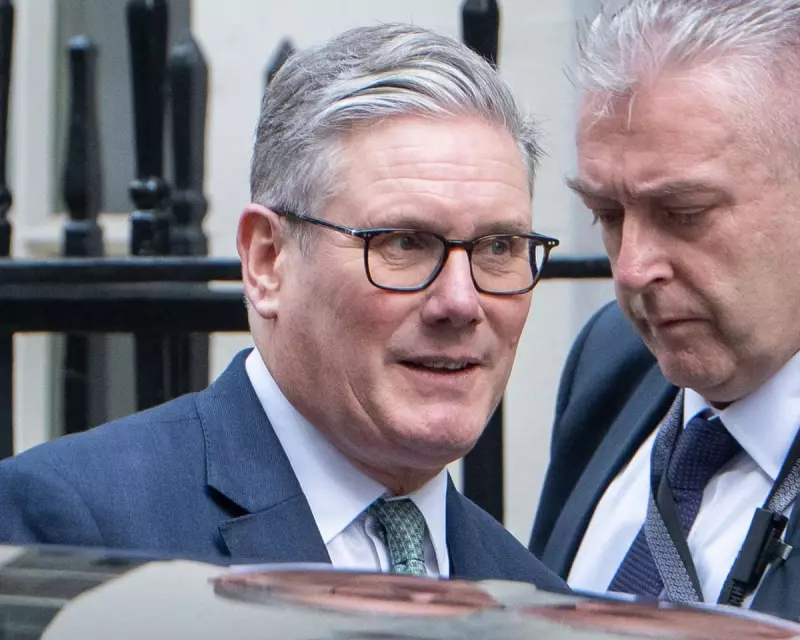
In an extraordinary political development, Labour MPs are reportedly considering replacing Sir Keir Starmer as leader just 18 months after their landslide general election victory. This period was supposed to deliver years of stability and renewal for the party, but instead has descended into internal turmoil.
The situation has been dramatically escalated by briefings from the prime minister's own loyalists within Downing Street, who apparently sought to flush out potential rivals. Wes Streeting, the health secretary, has emerged as the most prominent figure in these speculative conversations, though he and other frontline Labour politicians firmly deny any plotting against their leader.
Self-Inflicted Damage from Number 10
The prime minister's praetorian guard appears to have miscalculated badly in their attempt to serve his interests through these strategic leaks. Rather than strengthening Starmer's position, they have provoked days of damaging speculation and counter-briefing about the inadequacy of the Number 10 operation.

This comes at a particularly vulnerable moment for the government, which is experiencing a calamitous slide in opinion poll ratings and growing public dissatisfaction. There is no indication that Sir Keir has developed a reliable plan to convince unhappy MPs that he can restore public confidence in his administration.
The parliamentary Labour party is understood to be profoundly unhappy with the status quo, with increasing numbers wondering if there's anything to lose by gambling on change at the top.
The High Stakes of Political Instability
Supporters of Sir Keir argue that any leadership challenge would be disastrous, potentially signalling that Britain is slipping back into the political volatility that characterised the Tory years. They warn this could unsettle markets and foreign governments alike, while jeopardising carefully calibrated relations with the US and EU.
However, this defensive argument highlights the fundamental weakness of Starmer's position. A stronger case for maintaining his leadership would point to clear progress in rebuilding Britain's public services according to distinct values and priorities, with the fruits of reform soon becoming palpable to voters.
Unfortunately for the prime minister, this argument isn't available because it doesn't ring true. The qualities needed to make such a case compelling appear absent from his political repertoire.
The Crucial Budget Test Ahead
The budget later this month was already looming as a make-or-break test for the Starmer project. The eruption of internal Labour strife and discussion of the prime minister's vulnerability has raised the stakes even higher.
Sir Keir has failed to signal a resonant or consistent purpose to his leadership and shows no natural capacity for public persuasion. This deficiency becomes particularly damaging as the government prepares to raise taxes, directly repudiating unambiguous promises made earlier.
The increased danger is entirely self-imposed, as ramping up discussion of leadership change never strengthens the incumbent. If the prime minister wants to secure his position, there is no alternative but to fix the obscurity of purpose and lack of compelling argument that brought him into this peril.