Labour Launches Attack on Green Party's Drugs Stance in Crucial Byelection
Labour has initiated a targeted campaign against the Green party's position on drug legalisation in the upcoming Gorton and Denton byelection. The party is deploying online advertisements that criticise what it describes as the Greens' "extreme and dangerous" policy of wanting to "legalise all drugs." This strategic move comes as Labour aims to position itself as the primary left-wing alternative to Reform UK in the contest.
Political Battle Intensifies in Manchester Constituency
The byelection, scheduled for late February, represents a significant challenge for Keir Starmer's Labour party despite holding a substantial 13,000 majority in the seat. The political landscape has been complicated by Labour's decision to block the popular Greater Manchester mayor, Andy Burnham, from standing as its candidate. This has created an opening for both the Green party and Reform UK, who believe they have a genuine opportunity to secure victory in the constituency.
Labour's deputy leader, Lucy Powell, has been actively campaigning in the area, dismissing suggestions that the Greens could emerge as the main opposition to Reform on polling day. "I think there's been some mixed messages and there's been some things coming through in the media, but the Greens can't win here," Powell stated during the launch of Labour's advertising campaign in Gorton.

Greens Respond to Labour's Criticism
The Green party has strongly rejected Labour's characterisation of their drugs policy, with a spokesperson describing the attack ads as "attempting to weaponise the very serious public health issue of drugs." They emphasised that such tactics represent "an insult to the families of the thousands of people who die of drug-related deaths every year."
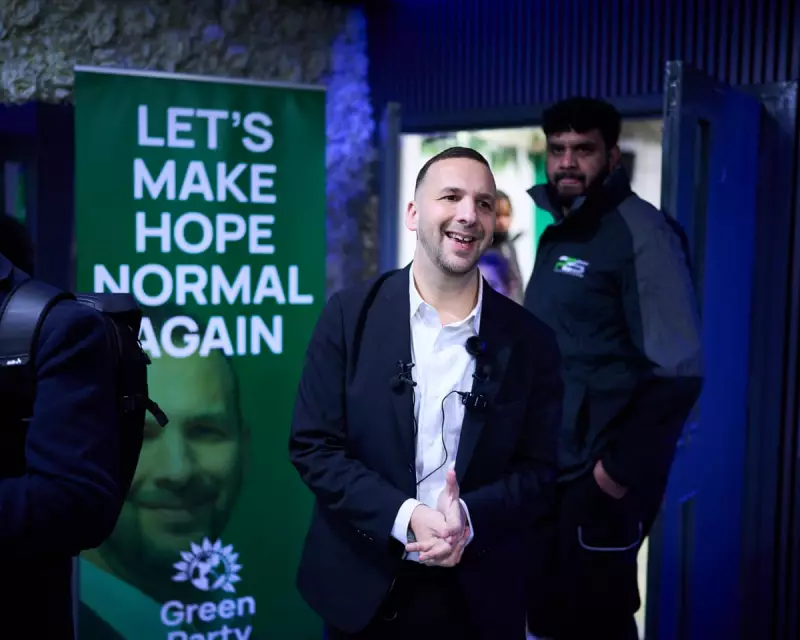
Zack Polanski, the Green party's representative, has become a particular focus of Labour's campaign, with advertisements featuring clips of him discussing drug policy. The Greens maintain that they offer "real solutions to the cost of living crisis and a bold vision for this country," contrasting their approach with what they describe as Labour and Reform's "more of the same" politics.
Three-Way Contest Takes Shape
The byelection is developing into a three-way contest between Labour, Reform UK, and the Green party. Reform has selected hard-right activist Matthew Goodwin as their candidate, while the Greens are choosing between Trafford councillor Hannah Spencer and deputy leader Mothin Ali. Labour is yet to announce its candidate, with the selection process scheduled for the coming weekend.
Some within the Labour party are urging reconsideration of the decision to block Andy Burnham from standing. Andrea Egan, general secretary of the major Labour financial backer Unison, described the move as a "cynical stitch-up" in the Tribune magazine, questioning why Britain's "single politician with a positive overall approval rating" was being prevented from contesting the seat.
Strategic Positioning and Electoral Mathematics
Both Labour and the Greens are working to convince voters that they represent the best chance of defeating Reform UK in the constituency. The risk for left-leaning voters is that the progressive vote could become split between Labour and the Greens, potentially allowing Reform to benefit from the division.
Labour's campaign messaging emphasises that Gorton and Denton represents a "two-horse race between Labour and Reform," with party spokespeople warning that "a vote for the Greens just risks letting Reform in through the back door." The Greens counter this narrative by claiming that "only the Greens can beat Reform" and that evidence from door-to-door campaigning suggests "the Labour vote is collapsing."
Broader Political Context
The contest follows the resignation of former Labour MP Andrew Gwynne, who stood down for health reasons after becoming an independent MP last year following controversy over offensive messages in a WhatsApp group. The byelection outcome will be closely watched as an indicator of political sentiment in northern urban constituencies and the evolving dynamics between established parties and newer political movements.

Prime Minister Keir Starmer has personally entered the fray, accusing Reform candidate Matthew Goodwin of pursuing politics of "toxic division" after Goodwin refused to disown previous comments suggesting that UK-born people from minority ethnic backgrounds are not necessarily British. Starmer has urged voters wanting to stop Nigel Farage's party to coalesce around the Labour candidate, framing the contest as a choice between unity and division.